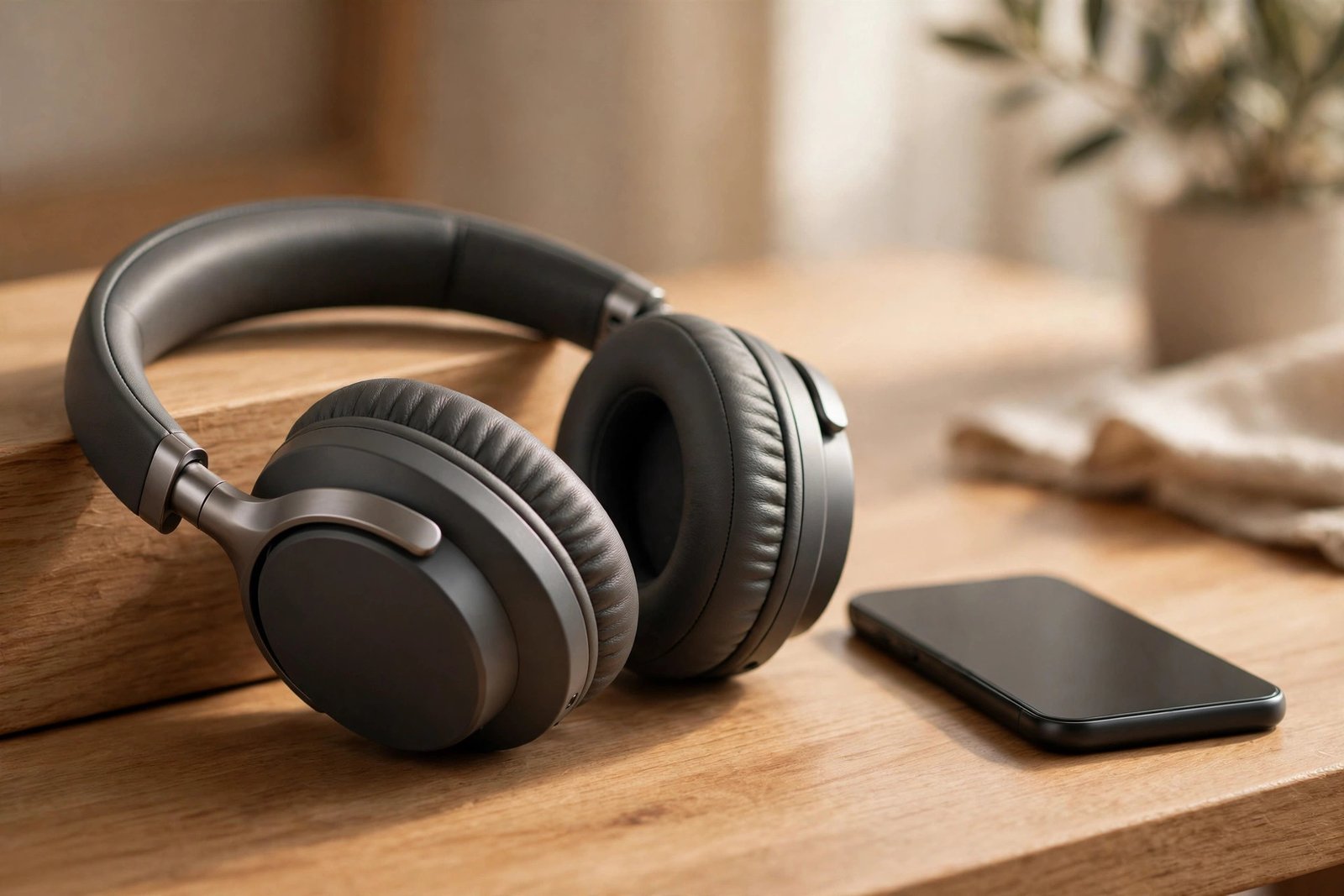
Best Noise Cancelling Headphones: What to Look for Before You Buy
Noise cancelling headphones have quietly become one of the most useful gadgets you can own. What started as a niche tool for frequent flyers is now an everyday essential for remote workers, commuters, students, and anyone who has ever tried to concentrate in a noisy room. The right pair does not just play music — it gives you control over your soundscape.
The problem is that the market is crowded and confusing. Every brand claims industry-leading noise cancellation, studio-quality sound, and all-day comfort, but real-world performance varies enormously. Some models silence airplane engines beautifully yet let office chatter slip straight through. Others sound fantastic for an hour, then start pressing uncomfortably on your ears. A few have brilliant noise cancellation but fall apart on phone calls.
Choosing well means looking past the marketing and understanding which features actually affect your daily experience. This guide walks you through how noise cancellation really works, what to prioritize based on how you will actually use the headphones, and the common mistakes buyers make. By the end, you will know exactly what to look for — and what to ignore — the next time you shop.
How Noise Cancellation Actually Works
There are two kinds of noise reduction at play in any pair of headphones, and it helps to know the difference. Passive noise isolation is the simple, physical kind: thick earcups and a snug seal block sound the same way earplugs do. Every over-ear pair has some of it, and it is the reason a well-sealed pair already sounds quieter before you even turn the power on.
Active noise cancellation, or ANC, is the clever electronic kind. Tiny microphones on the outside of the earcups pick up ambient sound, and the headphones generate an opposite sound wave that cancels it out. This works best against constant, low-frequency noise — the drone of an engine, the hum of an air conditioner, the rumble of a train. It is less effective against sudden, sharp sounds like a door slamming, which is why no ANC system creates total silence.
Most modern pairs also offer a transparency or ambient mode, which does the reverse: it uses those same microphones to pipe outside sound in. This is genuinely useful for hearing announcements, holding a quick conversation, or staying aware of traffic while walking. The best implementations let you adjust how much of the world you let through rather than giving you a simple on-off toggle.
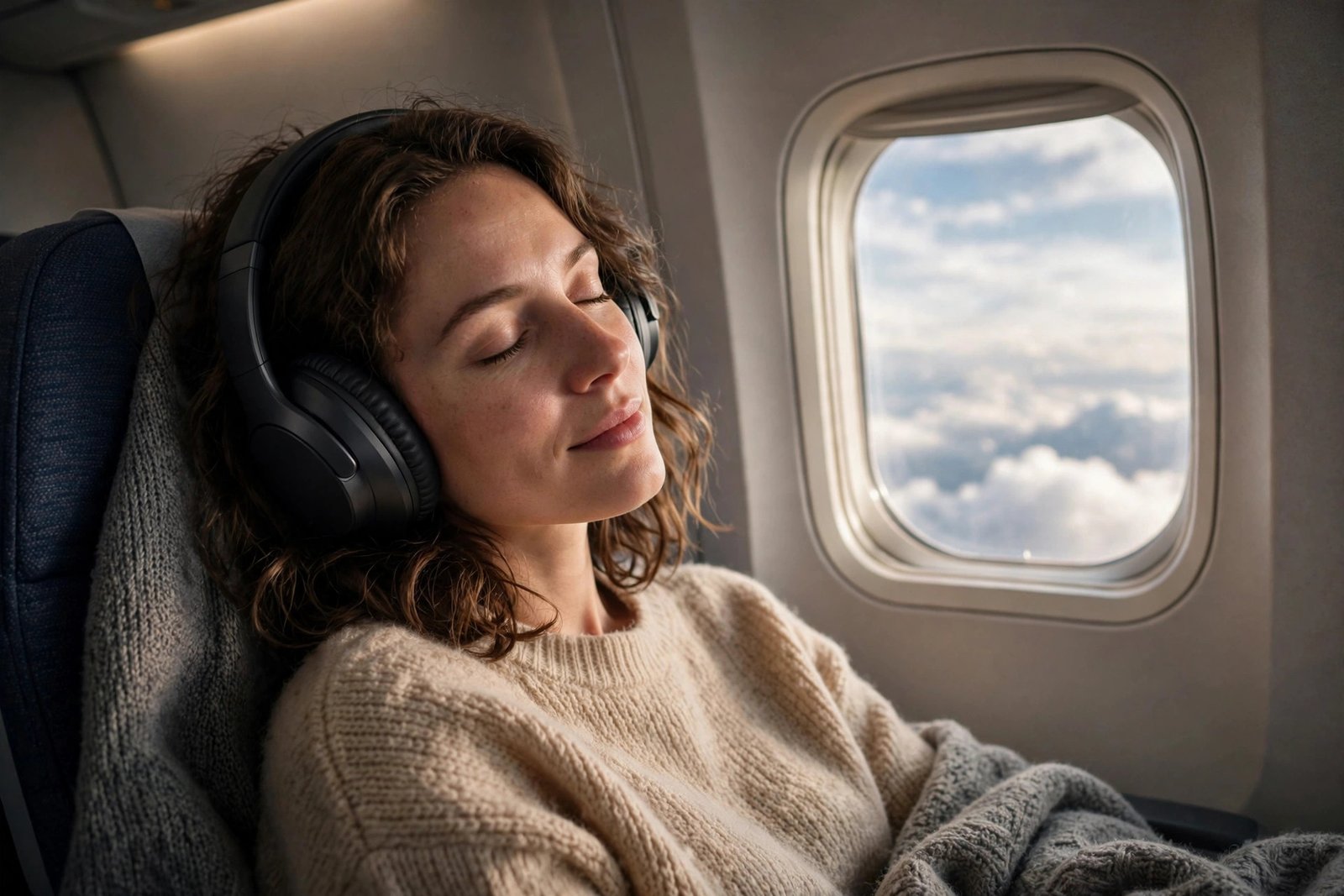
What Matters Most When Choosing
Not everyone needs the same thing from a pair of noise cancelling headphones. A daily commuter has different priorities than someone who wears them at a desk all day. Use the factors below to match a pair to your actual routine.
Noise Cancellation Quality
This is the headline feature, so it is worth being picky about. Pay attention to how reviewers describe real-world performance rather than trusting a brand’s superlatives. Strong cancellation should noticeably hush constant background noise without creating an uncomfortable pressure sensation in your ears — some people are sensitive to the faint “cabin pressure” feeling that aggressive ANC can produce. If you plan to use the headphones mainly in an office, look for models praised specifically for handling voices and mid-frequency chatter, since that is a different challenge than engine drone. If you want to compare how current models stack up in independent testing, TechRadar’s tested roundup of noise cancelling headphones is updated regularly and gives a good sense of which pairs reviewers rate highest for real-world quiet.
Sound Quality
Great noise cancellation means little if you do not enjoy listening through the headphones. Sound signature is personal: some people love warm, bass-forward tuning, while others prefer a flatter, more detailed presentation. Many pairs now include an equalizer in their companion app, which is a big plus because it lets you tune the sound to your taste instead of being stuck with the factory default. Also check whether the headphones support higher-quality Bluetooth codecs if you care about getting the most detail out of your music — though for most listeners on standard streaming, the difference is subtle.
Comfort and Fit
This is the factor buyers underestimate most, and it matters more than almost anything else for daily use. A pair with world-class ANC is useless if it gives you a headache after ninety minutes. Look for generous padding on the earcups and headband, a clamping force that feels secure without squeezing, and earcups deep enough that the drivers do not press against your ears. If you wear glasses, pay special attention to how the earcups seal around the arms of your frames, since a broken seal weakens both passive isolation and ANC. Weight matters too — even small differences become noticeable over a full workday.
Battery Life
Modern noise cancelling headphones generally offer long battery life, but the details matter. Check whether the quoted figure is with ANC turned on or off, since cancellation drains the battery faster and most people will use it constantly. Quick-charge features are genuinely useful: a short top-up before heading out can add meaningful listening time. Also consider how the headphones behave when the battery dies — some go completely silent, while others can still play music passively over a wired connection, which is a nice safety net for long travel days.
Call Quality
If you will take calls or join video meetings with your headphones, do not assume good music performance means good call performance. Voice pickup depends on the microphone array and its noise-reduction processing, which is a separate system from the ANC you hear. Look for models specifically praised for clear voice calls in windy or noisy conditions. A sidetone feature, which lets you hear your own voice naturally during calls, also makes long conversations far more comfortable.
Connectivity and Smart Features
Multipoint connectivity — the ability to stay connected to two devices at once — is one of those features you do not appreciate until you have it. It lets you watch a video on your laptop and take a call on your phone without touching any settings. Wear detection that pauses music when you remove the headphones, customizable controls, and a well-designed companion app all add up to a smoother daily experience. Voice assistant integration is worth having if you use one regularly, though it is rarely a deciding factor on its own.
Over-Ear, On-Ear, or Earbuds?
Noise cancelling technology comes in several form factors, and each has real trade-offs:
- Over-ear headphones generally deliver the strongest noise cancellation, the best battery life, and the most comfortable long-session fit. They are also the bulkiest to carry.
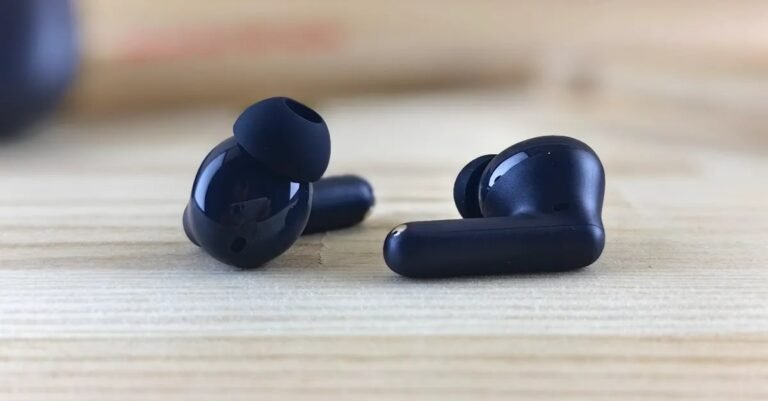
- Noise cancelling earbuds are far more portable and discreet, and the best of them cancel noise surprisingly well. Their smaller batteries mean shorter listening time per charge, though the charging case extends total use considerably.
- On-ear headphones sit between the two in size, but they typically cannot match over-ear models for either isolation or ANC depth, since they do not seal around the ear.
For most people buying primarily for noise cancellation, over-ear is the safest choice. Earbuds make more sense if portability, exercise, or discretion is the priority.
Features That Are Actually Worth Paying For
- Multipoint connection: seamless switching between phone and laptop is a genuine daily convenience.
- Adjustable transparency mode: being able to dial in exactly how much ambient sound you hear is more useful than a binary on-off.
- Customizable EQ: lets you fix a sound signature you do not love instead of living with it.
- Fold-flat design and a good case: boring but important — these determine whether the headphones survive daily commuting.
- Wired listening option: a backup for dead batteries and for situations where Bluetooth is restricted, like some in-flight entertainment systems.
Mistakes to Avoid When Buying
- Buying on brand name alone. The most famous names make both excellent and mediocre models. Judge the specific pair, not the logo.
- Ignoring comfort. Specs sheets do not tell you how a headband feels after three hours. If possible, try before you buy, or buy from a retailer with a good return policy.
- Assuming price equals performance. Mid-range models have improved enormously, and the gap between them and flagships is often smaller than the price gap suggests.
- Forgetting your main use case. The best travel headphones and the best work-from-home headphones are not always the same pair. Optimize for the scenario you are in most.
- Skipping the app. Many key features — EQ, ANC levels, button customization — live in the companion app. A clunky or neglected app drags down an otherwise good product.
Frequently Asked Questions
Do noise cancelling headphones block all sound?
No. ANC is excellent at reducing constant, low-frequency noise like engines and air conditioners, but it cannot eliminate sudden or high-pitched sounds entirely. Think of it as dramatically turning down the background, not pressing a mute button on the world. Transparency mode exists precisely because total isolation is not always desirable or safe.
Is active noise cancellation safe for my hearing?
ANC itself is not harmful to hearing. In fact, by lowering background noise, it often lets you listen at lower volumes, which is better for your ears over time. That said, keep volume at sensible levels regardless — noise cancellation is no protection against music played too loudly.
Can I use noise cancelling headphones without music?
Absolutely, and many people do. Wearing them with ANC on and nothing playing is a popular focus trick for open offices, libraries, and study sessions. Just be mindful of your surroundings when you cannot hear what is going on around you.
Do noise cancelling headphones work for sleeping?
Over-ear models are generally too bulky for side sleepers, though back sleepers sometimes manage. If your goal is blocking a snoring partner or street noise at night, dedicated sleep earbuds or simple earplugs are usually more practical. ANC headphones shine during the day, not at night.
How long do noise cancelling headphones typically last?
With reasonable care, a good pair lasts several years. The most common failure points are the battery, which gradually holds less charge, and the earcup cushions, which wear down with use. Many brands sell replacement cushions, which can extend a pair’s comfortable life considerably. Keeping firmware updated also helps, since manufacturers often improve ANC and fix bugs over time.
The Bottom Line
The best noise cancelling headphones for you are the ones that disappear into your routine: quiet enough to make a real difference, comfortable enough to forget you are wearing them, and reliable enough that you never think about the battery. Prioritize cancellation quality and comfort first, sound tuning second, and treat everything else as a bonus. Buy for the life you actually live — the commute, the office, the travel — and you will end up with a pair you reach for every single day. And if you are building out a smarter, quieter home setup overall, take a look at our guide to the best smart home security camera to keep an eye on things while you are away.
One Comment