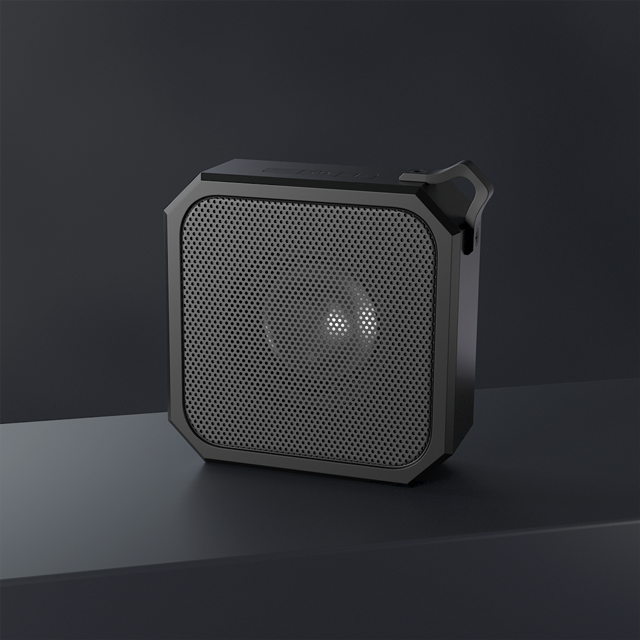
Best Bluetooth Speaker: How to Choose the Right One
Shopping for the best Bluetooth speaker can feel overwhelming. Every product page promises room-filling sound, all-day battery, and rugged durability, and the prices range from impulse-buy cheap to serious investment. The truth is that there is no single best Bluetooth speaker for everyone; the right choice depends on where you listen, what you listen to, and how much portability actually matters to you.
This guide cuts through the marketing noise. Instead of crowning one winner, it explains what actually separates a great portable speaker from a mediocre one, so you can match a speaker to your real life, whether that means pool parties, desk duty, hiking trails, or all three.
Sound Quality: What to Actually Listen For
Spec sheets rarely tell you how a speaker sounds. Wattage numbers and driver counts are marketing shorthand, not reliable predictors of audio quality. Here is what matters when you press play.
Balance over bass
Many portable speakers are tuned to sound impressive in a thirty-second store demo, which usually means boosted bass that drowns out everything else. A genuinely good speaker keeps bass, mids, and treble in balance so vocals stay clear and instruments sound distinct. If you mostly listen to podcasts, audiobooks, or acoustic music, clarity in the midrange matters far more than thumping low end.
Volume without distortion
A speaker that sounds fine at half volume but crackles and compresses at full volume is not much use outdoors, where you need every decibel. The best Bluetooth speakers maintain composure when pushed, with limiters that prevent harsh distortion. If you can test a speaker in person, turn it up to maximum and listen for rattling or harshness in the treble.
Stereo pairing
Many modern portable speakers can link with a second identical unit to create a true stereo pair. This is one of the most underrated features in the category. Two modest speakers in stereo often sound dramatically better than one expensive mono unit, and it gives you flexibility: one speaker for the bedroom, two for the living room when friends come over.
Battery Life and Charging
Manufacturers love to advertise big battery numbers, but real-world playback time depends on volume, and the fine print often assumes moderate listening levels. A speaker rated for twenty hours might deliver far less at party volume.
What is enough?
For most people, ten or more hours of real playback covers a full day out. Anything beyond that is a bonus rather than a necessity. More important than the headline number is how the speaker charges: USB-C has become the standard, and it is worth avoiding models that still use older micro-USB cables or proprietary chargers.
Power banks and pass-through
Some larger speakers double as power banks, letting you top up your phone from the speaker’s battery. This is genuinely useful on camping trips and beach days. Also check whether the speaker can play while charging; a few budget models go silent when plugged in, which is an annoying surprise to discover mid-party.
Durability: Water, Dust, and Drops
Portability means exposure. A speaker that lives on a bookshelf has different needs than one that travels to the beach, so match the ruggedness rating to your actual habits.
Understanding IP ratings
Water and dust resistance is measured on the IP scale. The first digit rates dust protection, the second rates water protection. A speaker rated IP67 is fully dust-tight and can survive immersion in shallow water, which covers rain, splashes, and accidental drops in the pool. IPX7 offers the same water protection without a formal dust rating. For bathroom or poolside use, IPX7 or better is the sweet spot; for dusty trails and construction sites, look for the full IP67.
Build quality beyond the rating
Ratings do not cover drops, so look at the physical design. Rubberized bumpers, recessed controls, and fabric grilles that do not dent easily all signal a speaker built for real life. Reading long-term owner reviews is the best way to learn how a speaker holds up after a year of use, since lab ratings cannot capture everything.
Size, Weight, and Portability Trade-offs
Physics is undefeated: bigger speakers generally sound better and play louder, but they are worse travel companions. Think honestly about where the speaker will live.
- Micro and pocket speakers: Extremely portable, fine for personal listening or a quiet room, but limited bass and volume. Best as a travel companion rather than a primary speaker.
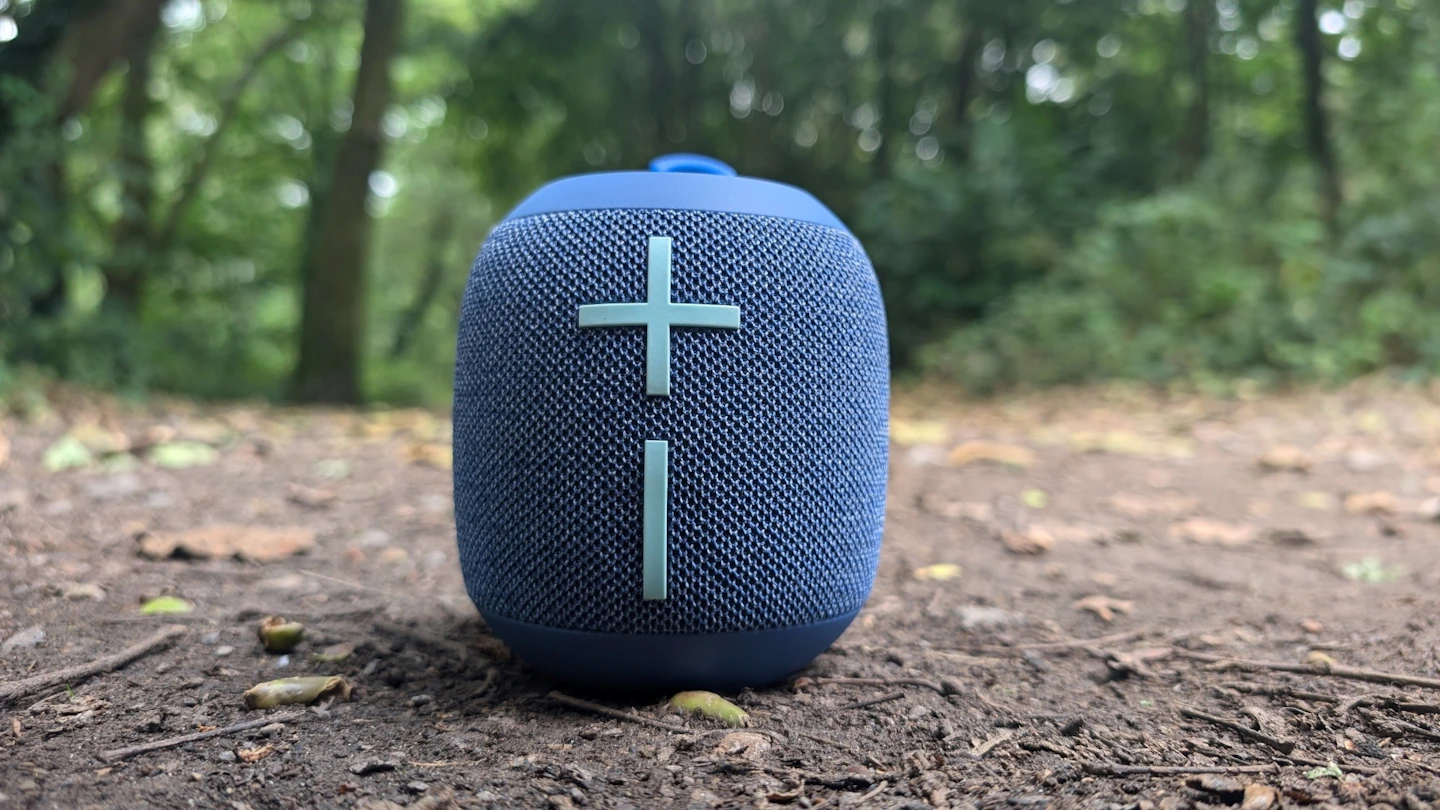
- Compact all-rounders: Roughly the size of a water bottle. The sweet spot for most buyers, with enough volume for a room or a small gathering and easy portability.
- Mid-size party speakers: Noticeably larger and heavier, but with real bass response and the volume to fill a backyard. Worth it if the speaker mostly stays in one place.
- Large boombox-style units: Maximum output, often with light shows and microphone inputs. Fun for events, but you will not be tossing one in a backpack.
Be honest about your carrying tolerance. The best Bluetooth speaker is the one you actually take with you, not the impressive one that stays home because it is too heavy.
Connectivity and Smart Features
Bluetooth is the core of the category, but the details of the wireless connection matter more than most buyers realize.
Bluetooth version and multipoint
Newer Bluetooth versions offer better range, more stable connections, and lower power consumption. Multipoint connectivity, which lets a speaker stay connected to two devices at once, is a genuinely useful feature for households where partners take turns as DJ. Check for it if you share your speaker.
Wi-Fi and voice assistants
Some speakers add Wi-Fi for higher-quality streaming at home, plus built-in voice assistants. These hybrids blur the line between portable and smart-home speakers. They are great as a primary home speaker but usually cost more and may have shorter battery life, since Wi-Fi is hungrier than Bluetooth.
App control and updates
Most serious brands offer a companion app with equalizer settings, firmware updates, and stereo pairing controls. A good app extends the life of your speaker: firmware updates have been known to improve sound quality and fix bugs long after purchase. Before buying, glance at the app’s ratings in your phone’s app store.
How to Compare Before You Buy
With hundreds of models on the market, a structured approach beats scrolling through endless listings. Independent testing is invaluable here; independent audio reviews at SoundGuys measure speakers with lab equipment rather than relying on manufacturer claims, which makes comparisons far more trustworthy.
Shortlist by use case
Start by writing down your top three use cases, then filter for them. A shower speaker needs water resistance above all; a desk speaker needs clarity at low volume; a party speaker needs raw output. Use-case filtering eliminates most of the market instantly.
Read long-term reviews
Launch reviews capture first impressions. Owner reviews written six months later capture battery degradation, app problems, and build quality issues. Both matter, but the long-term view is the better predictor of whether you will still be happy next year.
Buy from retailers with good returns
Sound is subjective, and no review can tell you exactly how a speaker will sound in your room. Buying from a retailer with a generous return policy lets you audition at home, which is the only test that truly counts.
Frequently Asked Questions
What is the most important feature in a Bluetooth speaker?
It depends on your use, but sound quality at the volumes you actually listen at is the foundation everything else builds on. After that, most buyers should prioritize battery life and durability that match where the speaker will be used.
Are expensive Bluetooth speakers worth it?
Sometimes. Premium models generally offer better sound engineering, more reliable apps, and longer software support. But the mid-range has improved enormously, and many buyers will be perfectly happy spending less. Diminishing returns set in quickly past a certain point.
Can Bluetooth speakers be used for TV audio?
Yes, though with caveats. Bluetooth introduces a small audio delay that can cause lip-sync issues with video. Some speakers and TVs support low-latency codecs that minimize this, but for serious home theater use, a wired connection or a dedicated soundbar is usually better.
How long do Bluetooth speaker batteries last?
Most lithium batteries in portable speakers hold up well for a few years of regular use before capacity noticeably declines. Storing the speaker at partial charge rather than full, and avoiding extreme heat, will extend battery lifespan.
Do I need a waterproof speaker?
Only if it will get wet. Water resistance adds cost, so a speaker that lives indoors does not need it. But if there is any chance of rain, pools, or beach trips, even basic splash resistance is cheap insurance against an expensive accident.
What is the difference between a Bluetooth speaker and a smart speaker?
A Bluetooth speaker plays audio sent from your devices over Bluetooth. A smart speaker adds Wi-Fi, a voice assistant, and standalone streaming. Many products now combine both, but pure Bluetooth speakers are simpler, usually cheaper, and do not require accounts or internet access to work.
Final Thoughts
The best Bluetooth speaker is not the one with the longest spec sheet; it is the one that fits your life. Define your use cases, prioritize sound quality and durability that match them, and lean on independent measurements rather than marketing claims when comparing models. Take your time, buy from somewhere with easy returns, and audition at home before committing. And if your listening is more personal than portable, our guide to the best earbuds 2026 covers what to look for in wireless earbuds this year.
One Comment