Best Earbuds 2026: What to Look For Before You Buy
Wireless earbuds have matured from a convenient compromise into genuinely excellent audio gear. The best earbuds 2026 models offer strong noise cancelling, impressive battery life, and sound quality that would have required bulky over-ears just a few years ago. But the market is crowded, prices swing wildly, and the spec sheets all start to look the same after a while.
This guide focuses on what actually matters when choosing earbuds this year. Rather than chasing a single definitive ranking, which goes stale the moment new models launch, it explains the features and trade-offs that separate earbuds you will love from earbuds you will lose in a drawer.
Fit and Comfort: The Foundation of Everything
No feature matters if the earbuds hurt after an hour or fall out on a jog. Fit is personal, but there are reliable principles to follow.
Tip selection changes everything
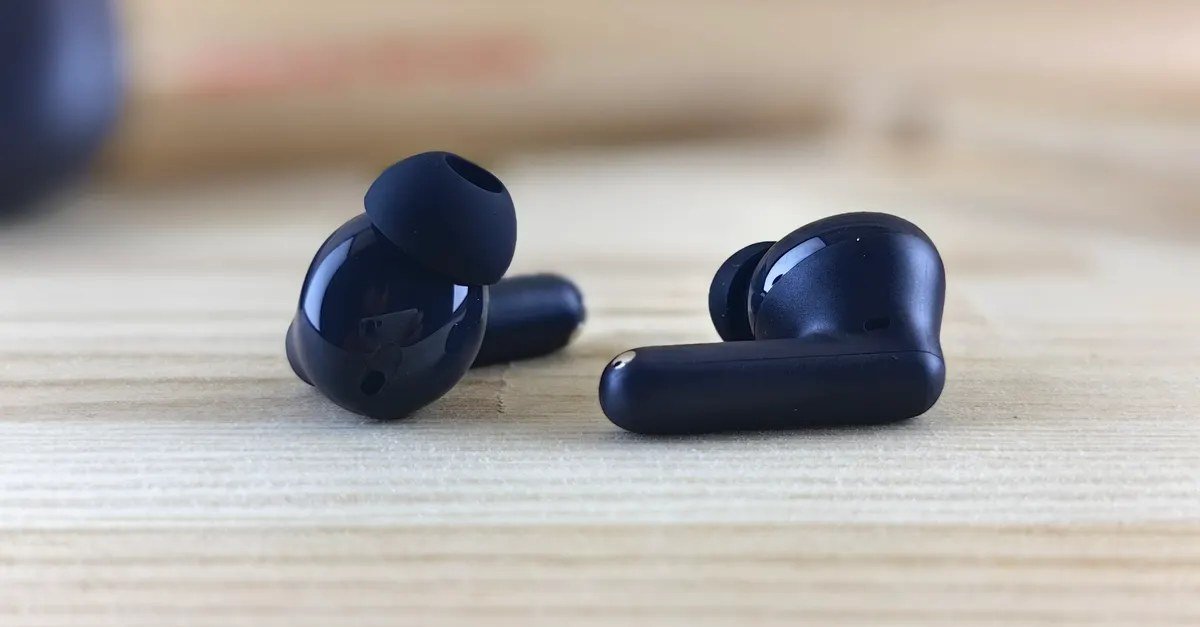
Most earbuds ship with three or more sizes of silicone tips, and trying them all is the single highest-value thing you can do on day one. A proper seal does more for bass response and noise isolation than any software feature. Foam tips are worth trying if silicone never quite seals; they expand to fill your ear canal and stay put during movement, at the cost of needing replacement every few months.
Shape and weight
Stem-style earbuds distribute weight differently than compact bud-style designs, and neither is universally better. If you wear glasses, try earbuds with your glasses on, since stems can interfere with frames. For workouts, look for fins or wings that lock into the ear, and check that controls do not trigger accidentally when you adjust the fit mid-run.
Wear them before the return window closes
Comfort reveals itself over time. An earbud that feels fine for ten minutes in a store can become irritating after two hours of calls. Test new earbuds during your actual routines, long work calls, commutes, workouts, before deciding to keep them.
Noise Cancelling and Transparency
Active noise cancelling has become the headline feature of premium earbuds, and the gap between good and great ANC is still significant.
How much ANC do you need?
Frequent flyers and open-office workers benefit most from strong noise cancelling. If you mostly listen at home or on quiet walks, mid-tier ANC is plenty, and you can save money or gain battery life by skipping the flagship tier. Remember that ANC works best on constant low-frequency drone like engines and air conditioners; sudden sharp sounds still get through on every model.
Transparency mode quality
The flip side of ANC is transparency or ambient mode, which pipes in outside sound so you can hear announcements or conversations without removing the buds. Good transparency sounds natural; bad transparency sounds like listening through a tin can with added hiss. If you commute or run outdoors, test this mode carefully, since you will use it daily.
Wind noise handling
Wind is the enemy of earbud microphones and ANC systems alike. Some models handle gusts gracefully, others turn every breeze into a roar. If you walk, cycle, or run outside, this is worth checking in reviews, because spec sheets never mention it.
Sound Quality in 2026
Earbud sound has improved to the point where even mid-range models can be genuinely enjoyable. Here is how to evaluate what you are hearing.
Tuning matters more than drivers
Manufacturers love to advertise driver counts and exotic materials, but tuning, how the manufacturer balances bass, mids, and treble, decides whether earbuds sound good. A single well-tuned driver beats three poorly integrated ones. Customizable EQ in the companion app is valuable because it lets you correct a tuning you do not love.
Codecs and what they mean for you
Bluetooth audio codecs determine how much detail survives the wireless trip from your phone. The standard codec works fine for most listeners, while higher-quality codecs can preserve more detail if both your phone and earbuds support them. In practice, fit and tuning affect what you hear far more than codec choice, so treat codecs as a tiebreaker rather than a deciding factor.
Call quality is a separate skill
Earbuds that sound great for music can be mediocre for calls. Microphone arrays, beamforming, and wind reduction all contribute to whether callers hear you clearly. If you take a lot of calls, prioritize models with strong voice pickup reviews; detailed earbuds testing at SoundGuys includes microphone measurements that are hard to find elsewhere.
Battery Life and Charging
Battery expectations have settled into a predictable pattern, but the details still vary.
- Earbud-only playback: Most current models deliver between five and eight hours per charge with ANC on. Turning ANC off typically adds a couple of hours.
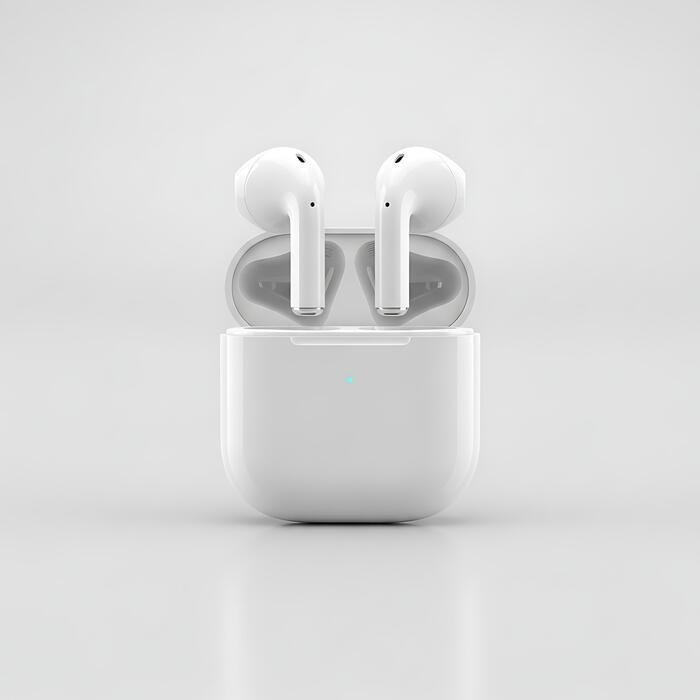
- Case recharges: The charging case usually holds two to four additional full charges, bringing total listening time to somewhere between twenty and forty hours before you need a wall outlet.
- Fast charging: Quick top-ups have become standard; a short stint in the case often yields an hour or more of playback. Check the exact figures, since they differ by model.
- Wireless charging: Qi wireless charging on the case is convenient if you already own a wireless charger, but it is a nice-to-have rather than a necessity.
One caution: manufacturer battery claims assume specific conditions, usually moderate volume with ANC in a particular mode. Your mileage will vary, especially at high volume.
Durability and Water Resistance
Earbuds live a hard life: sweat, rain, gym bags, and the occasional trip through the washing machine. Water resistance ratings use the same IP scale as speakers. For workouts, look for IPX4 or better, which handles sweat and light rain. IPX5 and above survive heavier exposure. The charging case is often less protected than the buds themselves, so do not assume the whole package shares one rating.
Beyond water, consider repairability and longevity. Earbuds with replaceable tips and widely available parts last longer, and brands with a track record of multi-year firmware support keep improving their products after launch. Disposable-feeling buds with no software support are a worse value than they appear.
Smart Features Worth Having
Software differentiates modern earbuds as much as hardware does. A few features are genuinely useful; others are gimmicks you will disable on day two.
Multipoint connectivity
Multipoint lets earbuds stay connected to two devices simultaneously, say your laptop and your phone, switching automatically when a call comes in. For anyone who works across devices, this is one of the most practical features available. Its absence is a common regret.
Wear detection
Sensors that pause playback when you remove an earbud and resume when you put it back are small but delightful. They save battery and spare you the fumble of finding pause controls. Most premium models include this; its absence is a sign of cost-cutting.
Companion app quality
The app controls EQ, ANC levels, firmware updates, and feature toggles. A well-designed app with regular updates extends the useful life of your earbuds significantly. Before buying, check the app’s recent reviews, not just its overall rating, since app quality can change dramatically over time.
Features to be skeptical about
Head tracking for spatial audio, AI-powered everything, and gesture controls that require a manual to memorize often sound better in marketing than in practice. None are reasons to choose one model over another unless you have tried them and specifically want them.
Frequently Asked Questions
How much should I spend on earbuds in 2026?
The sweet spot for most buyers is the mid-range, where you get strong ANC, good sound, and reliable apps without flagship pricing. Budget models have improved enormously and suit casual listeners, while premium models make sense for frequent travelers and call-heavy professionals.
Do expensive earbuds sound dramatically better?
The jump from cheap to mid-range is bigger than the jump from mid-range to premium. Diminishing returns are real in audio. Past a certain point you are paying for better ANC, better microphones, and nicer materials rather than transformative sound differences.
How do I make earbuds stay in my ears?
Start by trying every tip size in the box, since most fit problems are really seal problems. If silicone tips slip, try memory foam tips. For exercise, choose models with stabilizing fins, and make sure you are inserting them with a slight twist to lock them in place.
Can I use earbuds with a laptop and phone at the same time?
Yes, if the earbuds support multipoint connectivity. This feature maintains connections to two devices and switches intelligently, for example pausing laptop audio when a phone call arrives. Without multipoint, you will need to disconnect and reconnect manually.
Are wireless earbuds bad for battery longevity?
Tiny batteries in earbuds degrade faster than the large cells in speakers or phones, and earbud batteries are rarely replaceable. Expect noticeable capacity loss after a couple of years of heavy use. Keeping firmware updated and avoiding extreme heat helps maximize lifespan.
Should I wait for the next model or buy now?
Unless a successor has been officially announced with a firm date, buy when you need earbuds. The category improves incrementally, and waiting for the perfect model usually means waiting forever. Previous-generation flagships often drop in price when new models launch, making them excellent values.
Final Thoughts
The best earbuds 2026 has to offer share a common trait: they get the fundamentals right. Fit, comfort, reliable ANC, clear calls, and an app that keeps improving the product matter far more than flashy extras. Define how you will actually use them, prioritize accordingly, and test thoroughly within the return window. Buy for your real life, not for a spec sheet. And if you want bigger sound for shared spaces rather than personal listening, our guide to choosing the best Bluetooth speaker walks through everything that matters in portable speakers.