Best Drone for Beginners: 6 Top Picks for 2026
Buying your first drone is equal parts exciting and intimidating. You want cinematic footage and effortless flight, but you do not want to crash a thousand-dollar machine into a tree on day one. The good news is that 2026 is the best time ever to start flying: the best drone for beginners now ships with GPS stabilization, automatic return-to-home, and one-tap takeoff, which means a total newcomer can be airborne safely within minutes of unboxing.
This guide rounds up the six best beginner drones you can buy today, from budget-friendly trainers under $100 to camera drones that shoot genuinely stunning 4K video. Every pick was chosen for ease of use, durability, safety features, and value — the things that matter most when you are still learning the sticks.
What Makes a Drone Good for Beginners?
Before the picks, it helps to know what to look for. Beginner-friendly drones share a handful of traits:
- Stability and GPS hold: GPS keeps the drone hovering in place even when you take your hands off the controls — the single most important beginner feature.
- One-tap takeoff and landing: Removes the trickiest manual steps from your first flights.
- Return to Home (RTH): Automatically flies the drone back to its launch point if the signal drops or the battery runs low.
- Obstacle sensing or propeller guards: Forgives the bumps that every beginner makes.
- Weight under 249 grams: In many countries, including the US, drones under 249 g do not require FAA registration for recreational use, which removes a layer of hassle.
- A good camera: A stabilized 4K camera makes your first flights feel rewarding instead of frustrating.
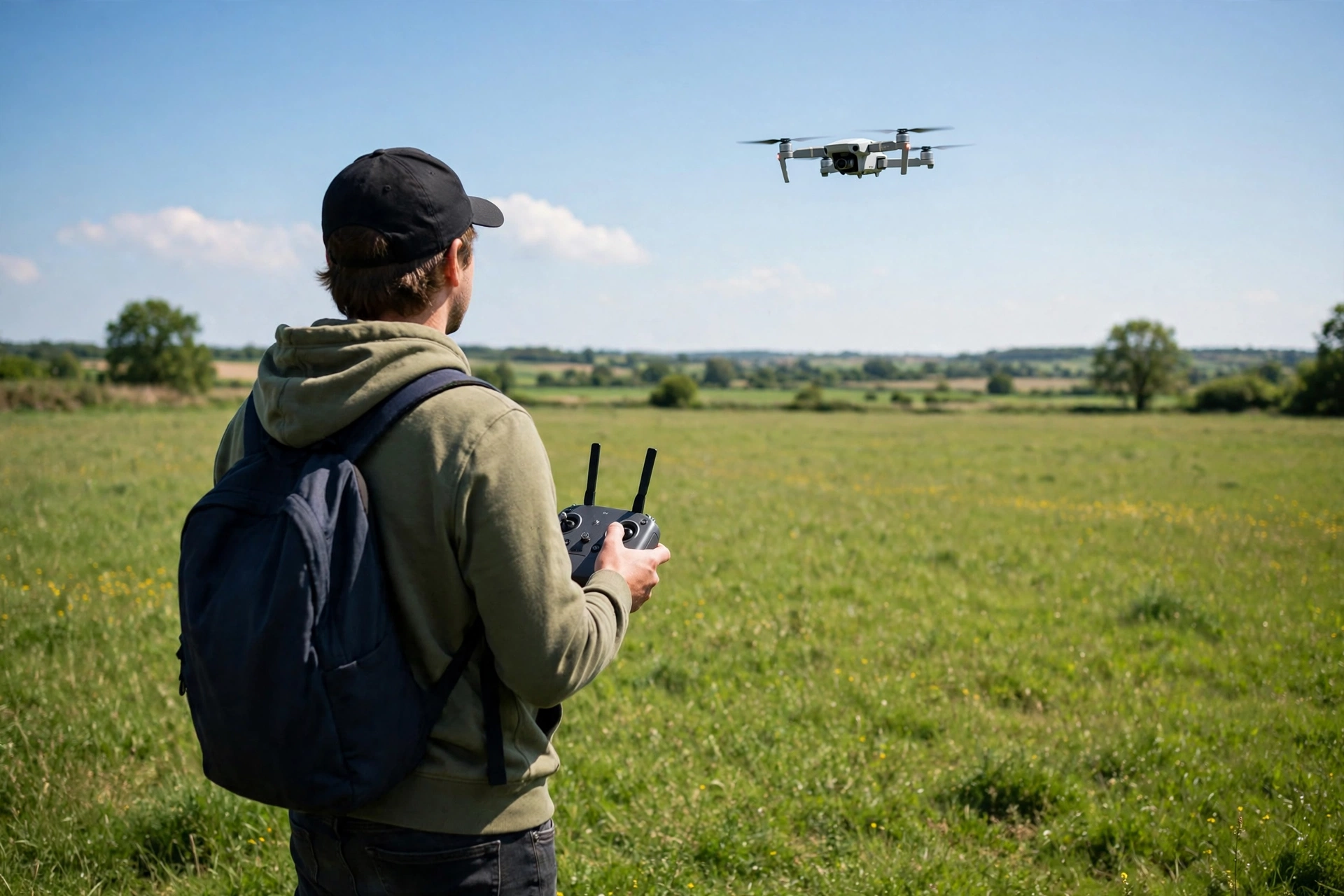
The 6 Best Drones for Beginners in 2026
1. DJI Mini 4K — Best Overall Beginner Drone
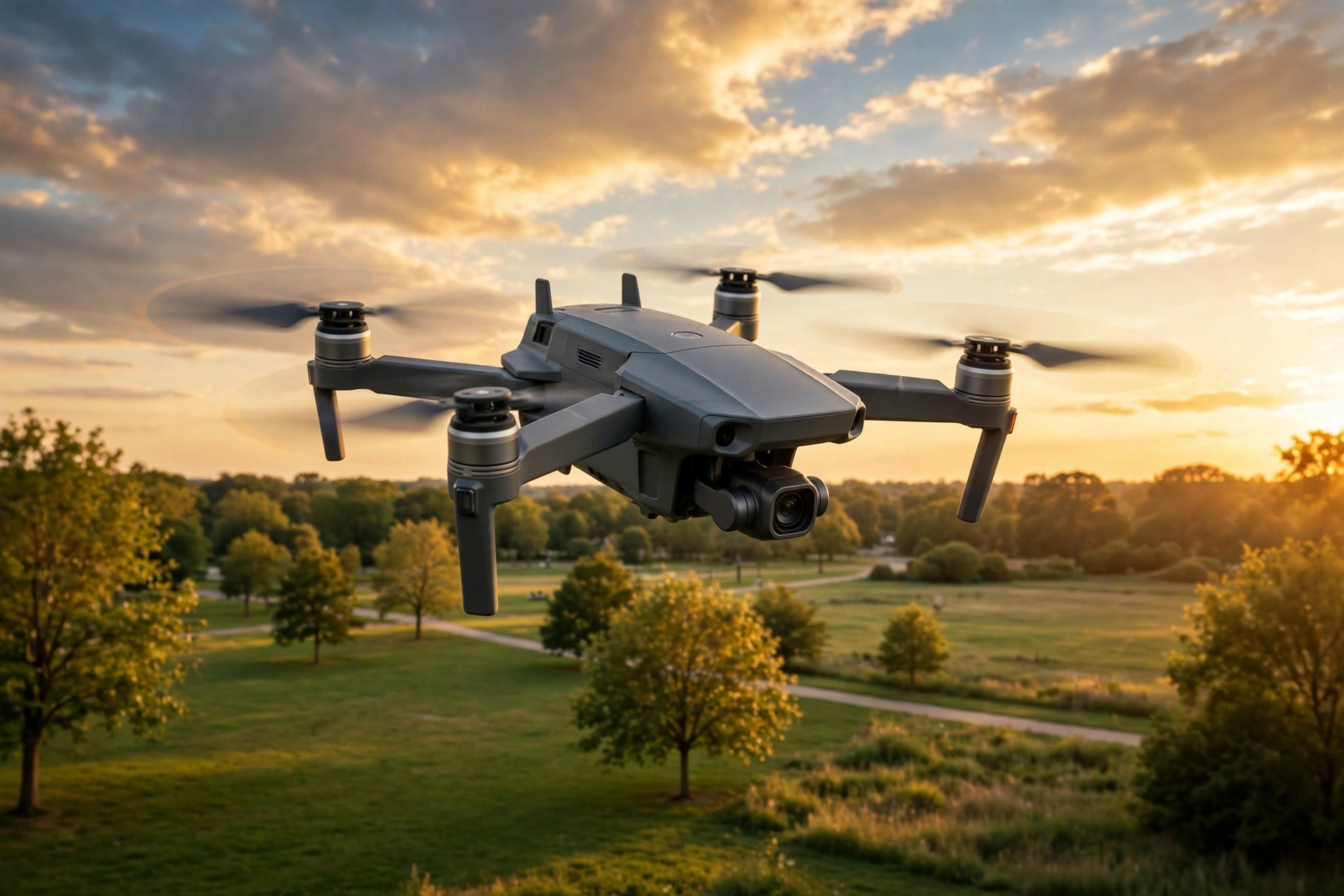
The DJI Mini 4K is the default recommendation for a reason: it packs a stabilized 4K camera, a 3-axis gimbal, up to 31 minutes of flight time, DJI’s rock-solid flight software into a package under 249 grams. One-tap takeoff and landing, GPS return to home, and stable hovering make it genuinely hard to crash, while QuickShots modes (Helix, Dronie, Rocket, Circle, Boomerang) let a total beginner capture cinematic footage with a few taps. If you are torn between this and its slightly pricier sibling, this detailed Mini 4K vs Mini 3 comparison breaks down the camera and flight-time differences so you can decide which fits your budget.
2. DJI Neo — Best Palm-Sized Beginner Drone
The DJI Neo is even simpler: it can take off and land from your palm, follows you for hands-free selfies and action shots, and weighs just 135 grams. It is the least intimidating drone on this list, making it perfect for kids, families, and anyone nervous about traditional controllers. The camera tops out below true 4K quality, but for social media clips and learning the basics, it is a delight.
3. DJI Mini 3 — Best Step-Up Camera Drone
If your budget stretches a little further, the DJI Mini 3 adds a larger 1/1.3-inch sensor, a brighter f/1.7 lens, 4K HDR video, and true vertical shooting for portrait-oriented social content. It keeps the sub-249 g weight and all of DJI’s beginner-friendly flight features while delivering noticeably better image quality, especially in low light. It is the best pick for beginners who already know they care about image quality.
4. Ryze Tello — Best Ultra-Budget Trainer
At well under $100, the Ryze Tello is the cheapest way to learn to fly. Built with DJI flight technology and an Intel processor, it is far more stable than its price suggests, with a 720p camera, programmable flight via an app, and a tough little frame that survives indoor crashes. Think of it as training wheels: master the Tello, and you will graduate to a camera drone with real skills.
5. Holy Stone HS175D — Best Non-DJI Budget Camera Drone
The Holy Stone HS175D is the strongest budget alternative to DJI, offering a 4K camera with electronic image stabilization, GPS-assisted flight, up to 46 minutes of flight time across two batteries, and a foldable design. It does not match DJI’s polish or gimbal quality, but it costs significantly less and is an excellent value for beginners who want 4K footage on a tight budget.
6. Potensic Atom SE — Best Long-Range Budget Drone
The Potensic Atom SE combines a sub-249 g frame with a 4K camera, a 3-axis mechanical gimbal, and up to 62 minutes of flight time with two batteries. Its standout trait is range: it can transmit video up to 4 km in ideal conditions, which is remarkable at this price. For beginners who want to explore a little further afield without spending DJI money, it is a compelling pick.
Beginner Drone Buying Checklist
Run through these points before you buy:
- Stay under 249 grams. Sub-249 g drones skip recreational FAA registration in the US and face lighter rules in many other countries.
- Prioritize GPS and RTH. These two features prevent most beginner disasters — flyaways and dead-battery crashes.
- Check local rules. Even with a tiny drone, learn your area’s no-fly zones, altitude limits, and line-of-sight requirements before your first flight.
- Budget for extra batteries. Flight times of 25 to 35 minutes sound fine until you realize setup and travel eat into them. A second battery doubles your fun.
- Practice somewhere open. An empty field or park is the ideal first classroom — no trees, no people, no buildings.
When you are back at your desk editing all that aerial footage, your setup matters too — see our guide to the best laptop stand for a comfortable editing workstation.
Flying Tips for First-Timers
- Read the manual and update firmware before the maiden flight; manufacturers regularly improve flight stability via updates.
- Calibrate the compass at each new location when the app prompts you.
- Start in beginner or cine mode, which slows the drone down and softens the controls.
- Keep line of sight — fly with your eyes on the drone, not just the screen.
- Watch the wind. Small drones struggle in gusts; if trees are swaying hard, postpone the flight.
- Land with reserve. Bring the drone home at 25 to 30 percent battery, not when the low-battery alarm screams.
Frequently Asked Questions
What is the best drone for beginners?
The DJI Mini 4K is the best beginner drone for most people: it is under 249 g, flies itself with GPS stabilization, returns home automatically, and shoots stabilized 4K video. Complete beginners on a tight budget should consider the Ryze Tello, while those wanting better image quality can step up to the DJI Mini 3.
Do I need to register a beginner drone with the FAA?
In the United States, drones under 249 grams flown recreationally do not need FAA registration or Remote ID. All the DJI models on this list (Mini 4K, Neo, Mini 3) and the Potensic Atom SE fall under that threshold. Always confirm current rules before flying, as regulations change.
How much should a beginner spend on a drone?
Plan on $100 to $500. Under $100 gets you a trainer like the Ryze Tello for learning controls. The sweet spot for a camera drone with GPS and 4K is $300 to $500, where the DJI Mini 4K and its rivals live. Spending more buys better cameras, not easier flying.
Are drones hard to fly?
Modern beginner drones are remarkably easy. GPS holds the drone steady, one-tap controls handle takeoff and landing, and return-to-home rescues you from most mistakes. Most people fly confidently within their first battery charge, though smooth cinematic flying takes practice.
Can a beginner drone fly in wind?
Light winds are fine — most beginner drones resist Level 5 winds (around 24 mph). But gusts are the enemy of small, light aircraft. Beginners should stick to calm days until they can read wind conditions confidently.
How long do beginner drone batteries last?
Expect 20 to 35 minutes per battery in real-world conditions, with the DJI Mini 4K rated at up to 31 minutes and some budget models shipping two batteries for 45 to 60 minutes total. Cold weather shortens flight time, so keep batteries warm before flying in winter.
Final Verdict
Start with the DJI Mini 4K if you want the best all-around beginner experience — it is forgiving, capable, and registration-free. Pick the DJI Neo for maximum simplicity, the Mini 3 for better image quality, the Ryze Tello to learn cheaply, or the Holy Stone HS175D and Potensic Atom SE for budget 4K. Whatever you choose, learn your local rules, practice in the open, and keep a battery in reserve. Your first cinematic sunset shot is closer than you think.