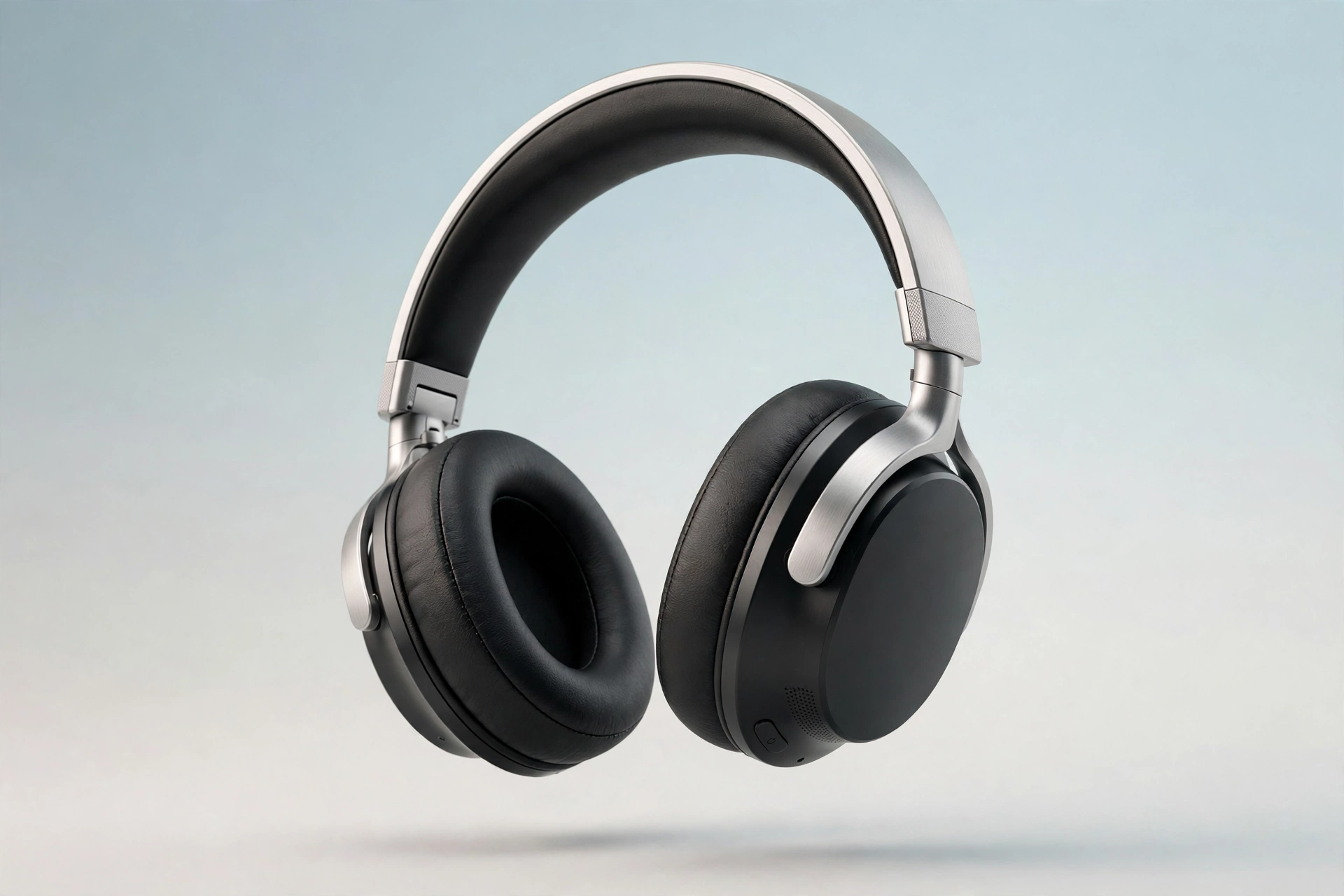
Best Wireless Headphones in 2026 — Top Picks Compared
The best wireless headphones in 2026 do far more than cut the cord. Active noise cancellation has become eerily effective, battery life routinely stretches past 30 hours, and features like spatial audio, multipoint pairing, and adaptive EQ have trickled down from flagships into mid-range models. Whether you want silence on a long flight, deep focus in a noisy office, or just great sound on your commute, there’s never been a better time to buy.
This guide compares the strongest wireless headphones of 2026 across sound quality, comfort, noise cancellation, battery life, and value — so you can pick with confidence instead of drowning in spec sheets.
What to Look for in Wireless Headphones
Sound Quality: Beyond the Buzzwords
Every brand claims “amazing sound,” so focus on what you can actually verify. Driver size matters less than tuning — a well-tuned 40mm driver beats a sloppy 50mm one. Look for support for high-quality Bluetooth codecs: LDAC and aptX Adaptive (common on Android) deliver noticeably better detail than basic SBC, while AAC is the standard on iPhones.
Customizable EQ in the companion app is almost as important as the hardware itself. Everyone’s ears are different, and a good EQ lets you fix a headphone’s tuning to your taste in minutes.
Noise Cancellation: Know the Tiers
Active noise cancellation (ANC) now comes in clear tiers:
- Flagship ANC erases airplane drone, office chatter, and most low-frequency rumble. This is what you pay a premium for.
- Mid-range ANC handles constant background noise well (engines, air conditioning) but lets more voices through.
- Basic ANC takes the edge off but won’t transform a noisy commute.
Also check transparency mode quality — the best implementations sound natural, like you’re not wearing headphones at all, while cheap ones sound tinny and artificial.
Comfort for Long Sessions
Headphones that hurt after an hour are a bad purchase at any price. Key comfort factors: clamping force (too tight causes headaches), earcup depth (your ears shouldn’t touch the drivers), weight (under 260g is ideal for all-day wear), and breathable materials if you run warm.
Glasses wearers should pay special attention — thick arms plus strong clamping force is a recipe for pain. Look for models with softer memory-foam cushions.
Battery Life and Charging
Thirty hours with ANC on is the 2026 baseline for over-ears, and many models now push 40–60 hours. Fast charging is the real game-changer: 10 minutes of charging for 5+ hours of playback means a dead battery is a minor inconvenience, not a ruined day.
Multipoint and Connectivity
Multipoint pairing — staying connected to your laptop and phone simultaneously — is one of those features you don’t appreciate until you’ve had it. Calls automatically take priority, then audio switches back. In 2026, this should be considered near-essential for anyone who works on a computer.
The Best Wireless Headphones of 2026
1. Best Overall: The Complete Package
The best all-rounder this year nails every category without a serious weakness: class-leading ANC, warm and detailed sound with excellent EQ customization, 40-hour battery life, comfortable all-day fit, and reliable multipoint. Transparency mode sounds remarkably natural, and call quality is strong thanks to a well-designed microphone array.
It isn’t cheap, but it justifies the price — this is the pair reviewers consistently reach for when they can only keep one. If your budget stretches to flagship territory, start here.
2. Best Value: 90% of the Flagship for Half the Price
The value champion is the most impressive story of 2026. For roughly half the flagship price, you get genuinely good ANC, LDAC support, 50+ hour battery life, and sound that — after a quick EQ tweak — embarrasses headphones costing twice as much.
The compromises are sensible: the build uses more plastic, the app is functional rather than polished, and transparency mode is decent rather than great. None of that matters much in daily use. For most buyers, this is the smartest money in wireless audio right now.
3. Best Noise Cancellation
When silence is the mission, one model stands clearly above the rest. Its ANC adapts continuously to your environment — airplane cabins, busy streets, open offices — and the difference versus mid-range ANC is immediately obvious the moment you switch it on.
Check out Bose’s official headphones collection to see how the pioneers of noise cancellation package this technology — their QuietComfort line remains the benchmark that every other brand is measured against. Sound quality is refined rather than exciting, comfort is superb for long flights, and the 30-hour battery covers even the longest travel days.
4. Best for Work and Calls
If your headphones double as a work headset, prioritize microphone quality over everything else. The work pick uses advanced beamforming mics and AI noise reduction that keeps your voice clear even on windy streets or in busy cafés — the difference on the other end of a call is dramatic.
It also nails the office essentials: excellent multipoint, a wear sensor that auto-pauses, and a companion app with a proper equalizer. ANC is good rather than class-leading, and it’s tuned more for voices than for bass-heavy music — fine for most, but bass lovers should look elsewhere.
5. Best Battery Life
Some headphones now last so long you’ll forget where the charger is. The battery champion pushes past 70 hours with ANC on — that’s over two weeks of heavy daily use. It also supports fast charging and can run wired over USB-C with the DAC active, which audiophiles will appreciate.
Sound quality is solid and ANC is respectable, though neither leads the class. This is the pick for travelers, forgetful chargers, and anyone who finds battery anxiety genuinely stressful.
6. Best Budget Pick (Under $100)
Yes, you can get genuinely enjoyable wireless headphones under $100 in 2026. The budget pick delivers comfortable fit, 40-hour battery, Bluetooth 5.3 with multipoint, and sound that’s fun and inoffensive — slightly bass-forward, which most casual listeners prefer anyway.
ANC at this price is basic — it dulls background hum but won’t silence an airplane — and the plastic build won’t win design awards. But as everyday beaters for commuting, the gym bag, or kids, the value is undeniable.

Over-Ear vs. Earbuds: Which Should You Choose?
This guide focuses on over-ear headphones, but it’s worth a quick comparison:
- Choose over-ears for: maximum noise cancellation, longest battery life, best comfort for long sessions, superior soundstage.
- Choose earbuds for: portability, workouts, discretion, sleeping on planes.
Many people end up owning both — over-ears for home, office, and travel; earbuds for the gym and quick errands. If you’re building out your everyday tech setup, pair your audio choice with our guide to the best budget smartwatch for the complete on-the-go package.
How to Get the Best Sound: 5 Setup Tips
- Use the best codec your phone supports. On Android, enable LDAC or aptX Adaptive in Bluetooth settings. On iPhone, AAC is automatic.
- Spend 10 minutes with the EQ. Start from a preset you like and adjust to taste — this single step improves perceived sound quality more than any spec.
- Update the firmware. Manufacturers regularly improve ANC algorithms and fix bugs through updates.
- Get the fit right. For over-ears, ensure a good seal around your ears — glasses and hair can break it and weaken both bass and ANC.
- Try the fit test and ear-tip options if your model includes them; a proper seal is worth 30% better bass response.
What to Avoid
- No-name ANC claims. Real noise cancellation requires serious R&D. Ultra-cheap “ANC” headphones usually just play white noise or do almost nothing.
- Ignoring codec support. If you’re on Android and care about sound quality, LDAC/aptX support matters.
- Skimping on comfort. Specs fade from memory; a headache from clamping force does not.
- Buying without checking multipoint. In 2026, single-device-only pairing at mid-range prices is a dealbreaker for most people.
- Falling for inflated battery claims. Check whether the figure is with ANC on or off — the difference can be 40%.
The Bottom Line
The best wireless headphones for you depend on your priorities: silence seekers should chase flagship ANC, value hunters should grab the mid-range champion, and road warriors should maximize battery life. Whatever you choose, the 2026 market is kind — even budget models now deliver comfort, connectivity, and sound that would have been flagship-grade a few years ago.
Pick your priority from the categories above, use the setup tips to get the most from your purchase, and enjoy the quiet.
Frequently Asked Questions
Are expensive wireless headphones worth it over budget ones?
It depends on what you value. The jump from $80 to $200 buys dramatically better ANC and build quality. The jump from $200 to $350 buys refinements — slightly better ANC, nicer materials, better mics. Diminishing returns kick in hard past the mid-range sweet spot.
Do wireless headphones work for gaming?
Casually, yes. Competitively, be cautious — Bluetooth latency (even with aptX Low Latency) is higher than wired or 2.4GHz wireless. Many 2026 models include a wired USB-C mode that solves this completely.
How important is LDAC or aptX support?
For critical listening on Android, it’s a meaningful upgrade in detail and clarity. For podcasts, calls, and casual music, you won’t notice. iPhone users are limited to AAC regardless, and Apple’s implementation is excellent.
Can I use wireless headphones with a TV?
Yes — most smart TVs support Bluetooth audio output, though latency can cause lip-sync issues. Some headphone apps include a low-latency mode, and dedicated TV listening modes on certain models fix this entirely.
How do I clean and maintain wireless headphones?
Wipe ear cushions with a slightly damp cloth weekly, avoid harsh chemicals, store them in their case, and don’t leave them in hot cars. Replaceable ear cushions — available for most major brands — can extend a headphone’s life by years.


One Comment