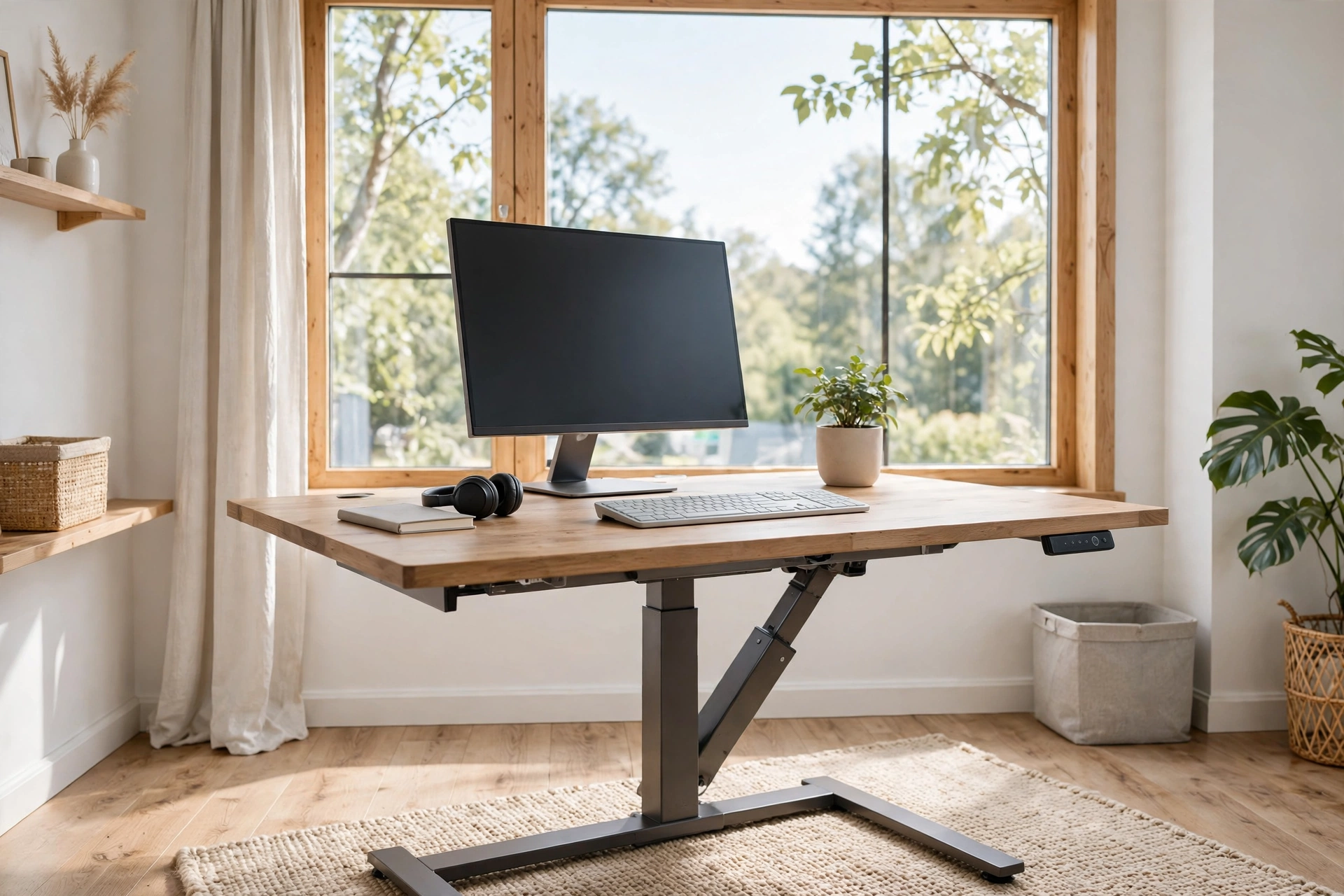
Best Standing Desk (2026): Top Picks for a Healthier Home Office
Sitting all day is one of the quietest health risks of modern life. If you work from home or spend eight-plus hours at a desk, your back, neck, and energy levels are paying the price. A standing desk fixes that by letting you switch between sitting and standing throughout the day — and finding the best standing desk for your needs is one of the highest-impact upgrades you can make to your home office.
This guide walks you through everything that matters: why sit-stand desks work, the features worth paying for, our top picks for 2026, and how to set up a healthy standing routine without overdoing it. Whether you want a budget-friendly option or a premium desk that lasts a decade, you will find your match here.
Why a Standing Desk Is Worth the Investment
The average office worker sits for more than ten hours a day. Research consistently links prolonged sitting to back pain, poor posture, weight gain, and even cardiovascular issues. A standing desk does not magically erase those risks — you still need movement — but alternating between sitting and standing breaks up long sedentary stretches and keeps your body in motion.
The benefits most users report are simple and practical:
- Less back and neck pain: Standing for part of the day takes pressure off your spine and reduces the hunching that causes stiffness.
- More energy: Many people find their afternoon slump is less severe when they stand and move periodically.
- Better posture: A desk set to the correct height encourages a neutral spine and relaxed shoulders.
- Higher productivity: When you feel comfortable, you focus better. Small comfort gains compound over a full workday.
The key word is alternating. The best standing desk is not a desk you stand at all day — it is one that glides between heights so effortlessly that switching becomes a habit. Cheap desks with clunky cranks or wobbly frames get left at one height forever, defeating the whole purpose.
What to Look for When Buying the Best Standing Desk
Height Range and Adjustability
Check the minimum and maximum heights. A good electric desk adjusts roughly from 25 to 51 inches, covering seated use for shorter users and standing use for tall users. If you are over six feet tall, make sure the maximum height reaches at least 48 inches, or you will be hunching while you stand — the exact problem you are trying to solve.
Motor Quality and Noise
Dual-motor desks are smoother, quieter, and more stable than single-motor models. They also lift heavier loads without straining. Look for a lift speed around 1.5 inches per second and noise below 50 decibels — quiet enough not to bother a video call.
Weight Capacity
Add up everything you will put on the desk: monitors, a monitor arm, a laptop, speakers, and anything else. A sturdy desk supports 200 pounds or more. Anything below 150 pounds will feel flimsy with a full setup and may strain the motors over time.
Desktop Size and Material
A 48-by-24-inch surface suits most single-monitor setups; go 60 inches or wider if you run dual monitors or spread out paperwork. Laminate tops are affordable and easy to clean, while bamboo and solid wood look better and resist scratches. Rounded corners and grommet holes for cables are nice extras.
Stability at Standing Height
This is where cheap desks fail. Read reviews specifically about wobble at maximum height. Desks with a crossbar, wide T-frame feet, and three-stage legs stay noticeably steadier than budget two-stage designs.
Controller and Memory Presets
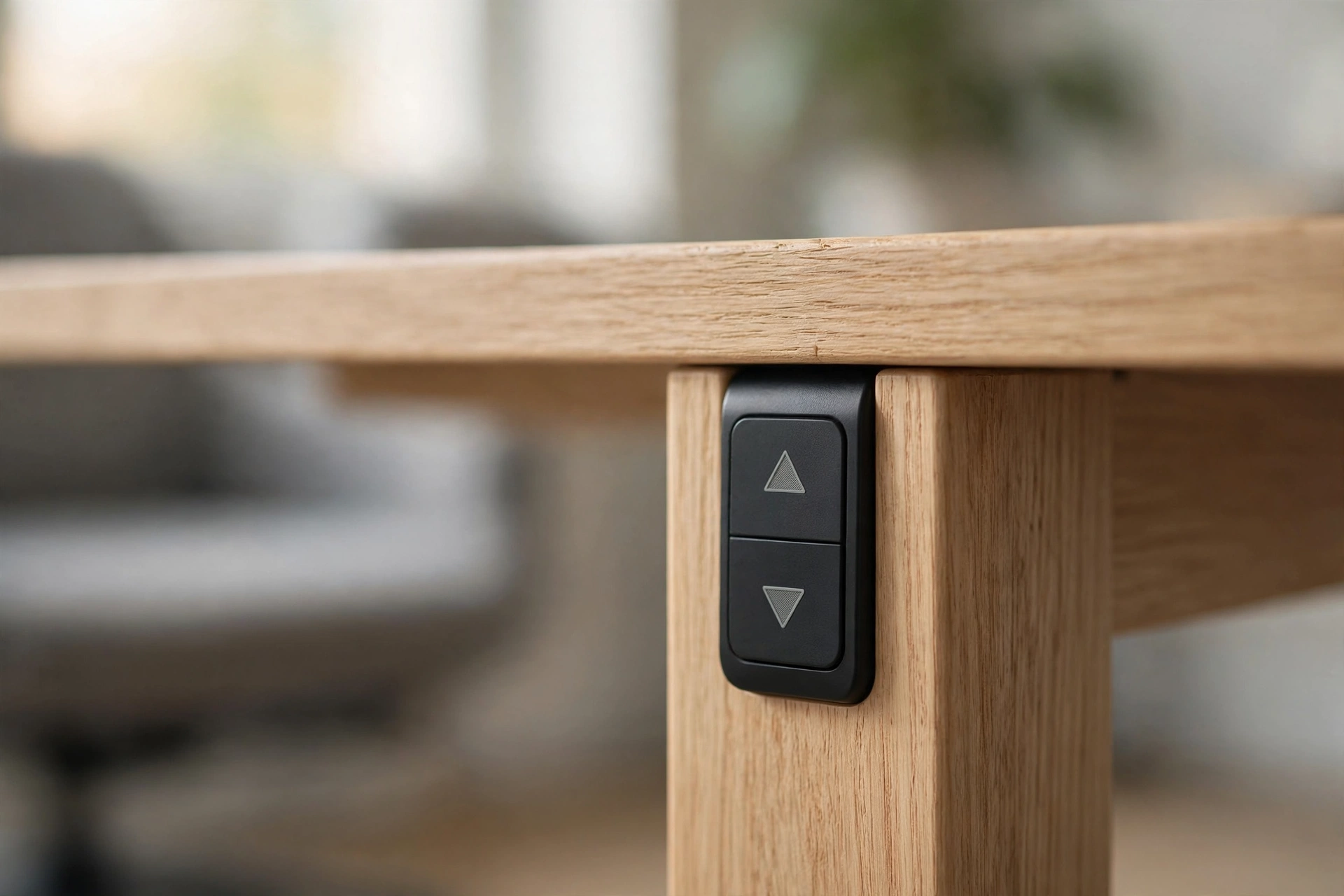
A simple up-down handset works fine, but memory presets are worth having. One tap sends the desk to your perfect sitting or standing height. Some controllers add anti-collision sensors that stop the desk if it hits something on the way down — a genuinely useful safety feature.
Cable Management
Cables that dangle and tighten as the desk rises are both ugly and a tripping hazard. Look for a desk that includes a cable tray or plan to add one. A cable management kit is a cheap accessory that makes a huge difference in daily use.
Our Top Picks: The Best Standing Desks of 2026
1. Best Overall: Dual-Motor Electric Desk with Memory Presets
The sweet spot for most buyers is a dual-motor electric desk with a three-stage frame, four memory presets, and a 48 or 60-inch top. It is stable at standing height, quiet enough for calls, and lifts a dual-monitor setup without effort. If you buy one desk and keep it for years, this category is the one to choose. FlexiSpot’s official site is a good starting point for seeing what a well-reviewed dual-motor model looks like, since they specialize in exactly this class of desk.
2. Best Budget Pick: Single-Motor Electric Desk
If your setup is light — one monitor and a laptop — a single-motor desk saves money while still giving you smooth electric adjustment. Expect fewer presets and a lower weight capacity, but the core sit-stand experience is intact. This is the best standing desk option for students or anyone furnishing a first apartment.
3. Best Premium Pick: Heavy-Duty Desk with Solid Wood Top
Premium desks pair commercial-grade frames with beautiful bamboo or hardwood tops. They support 300+ pounds, stay rock-solid at full height, and look like furniture rather than equipment. If your home office doubles as a visible room in your house, the upgrade in appearance alone can justify the price.
4. Best for Small Spaces: Compact 40-Inch Desk
Not everyone has room for a 60-inch monster. Compact standing desks around 40 inches wide fit in corners and small bedrooms while still holding a monitor and laptop comfortably. Measure your space before ordering — and remember to leave room for the desk’s legs when it rises, since the footprint shifts slightly.
5. Best Standing Desk Converter: Add-On Riser
If you already own a desk you love, a converter sits on top and raises your keyboard and monitor to standing height. It costs less than a full desk and installs in minutes. The downsides: less desk space, no motorized adjustment, and a raised monitor that can feel far from your face. It is a solid stopgap, not a permanent solution.
6. Best for Gamers: Desk with RGB and Cable Management
Gaming-oriented standing desks add wide desktops for big monitor setups, built-in cable management, headphone hooks, and subtle lighting. The underlying mechanics are the same dual-motor frames as office desks — you are paying for the gamer-friendly extras and styling.
7. Best Manual Pick: Crank Standing Desk
Crank desks cost less than electric models and have no motor to break. Turning the crank takes about a minute, which sounds fine until you do it twice a day, every day. Buyers who choose crank desks almost always report adjusting less often. If budget is truly tight, it works — but electric is worth the stretch if you can manage it.
How to Set Up a Healthy Standing Routine
Owning the best standing desk is only half the battle; using it well is the other half. Follow these guidelines and your body will thank you:
- Start small. Stand for 15 to 30 minutes at a time, two or three times a day. Increase gradually over a few weeks.
- Get your heights right. Elbows at 90 degrees when typing, the top of the screen at or slightly below eye level, and weight evenly on both feet when standing.
- Wear supportive footwear. Standing on hard floors in flat shoes gets painful fast. A cushioned anti-fatigue mat helps enormously.
- Move, do not statue-stand. Shift your weight, take short walks, stretch your calves. Standing completely still all day is not better than sitting.
- Alternate every hour. A popular rhythm is 30 minutes standing to 60 minutes sitting, but any regular rotation beats a single marathon session.
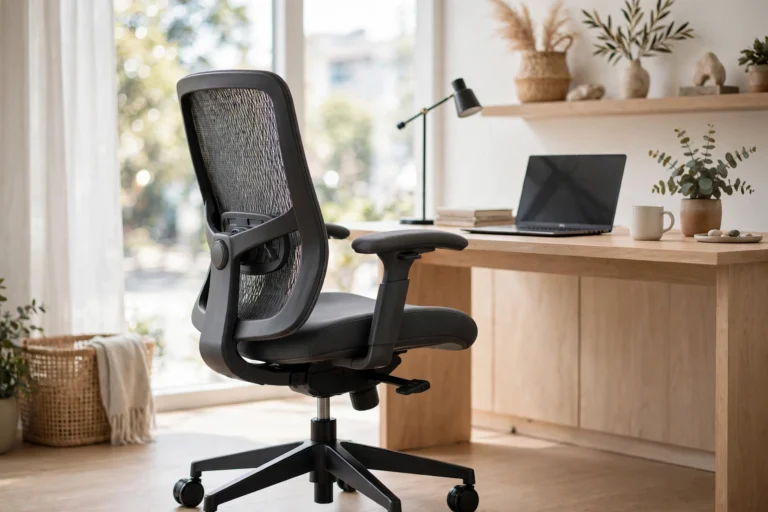
Pairing your desk with supportive seating matters too — a best ergonomic chair keeps you comfortable during the sitting half of your day, so the full setup works together for your spine.
Frequently Asked Questions
Are standing desks actually good for you?
They are good in moderation. Alternating between sitting and standing reduces the risks of prolonged sitting and helps with back pain and energy levels. Standing all day without breaks can cause its own problems, such as leg fatigue and foot pain, so the sit-stand balance is what matters.
How much should I spend on a standing desk?
Decent electric desks start around $250–$350, mid-range models with dual motors run $400–$700, and premium solid-wood desks reach $900 or more. Avoid anything under $200 — the frames are unstable and the motors fail early.
Do standing desks help you lose weight?
Standing burns slightly more calories than sitting, but not enough to drive weight loss on its own. The real benefit is reduced sedentary time and better posture, which support an active lifestyle rather than replacing exercise.
Can I put my existing desk accessories on a standing desk?
Almost always yes. Monitor arms, keyboard trays, and desk lamps all work fine, as long as the total weight stays under the desk’s capacity. Check the weight rating before buying, especially if you run multiple monitors.
Is a manual or electric standing desk better?
Electric, in almost every case. The ease of pressing a button is what makes people actually switch positions throughout the day. Manual crank and pneumatic desks work, but their owners adjust them far less often.
How long does a standing desk last?
A quality electric desk lasts 7 to 10 years. Look for warranties of at least 5 years on the frame and motors — a strong warranty is the clearest signal that the manufacturer expects the desk to hold up.
Conclusion
The best standing desk is the one you will actually use every day: stable, quiet, easy to adjust, and sized for your space. For most buyers, a dual-motor electric desk with memory presets hits the sweet spot of price, performance, and durability. Budget shoppers can do well with a single-motor model, and design lovers should look at solid-wood tops.
Whatever you choose, remember that the desk is a tool, not a cure. Set it to the right heights, alternate sitting and standing, and move often. Do that, and a standing desk becomes one of the best investments you will ever make in your home office.



One Comment