Best Portable Power Bank: Top Picks for Fast, Reliable Charging in 2026
A dead phone at the worst possible moment is a modern nightmare. Whether you are traveling, commuting, or just out for a long day, the best portable power bank keeps your devices alive without chaining you to a wall outlet. But walk into any electronics store or browse online, and you will find dozens of options with confusing specs: milliamp-hours, wattage, PD, Qi2. This guide cuts through the jargon so you can pick the right portable charger with confidence.
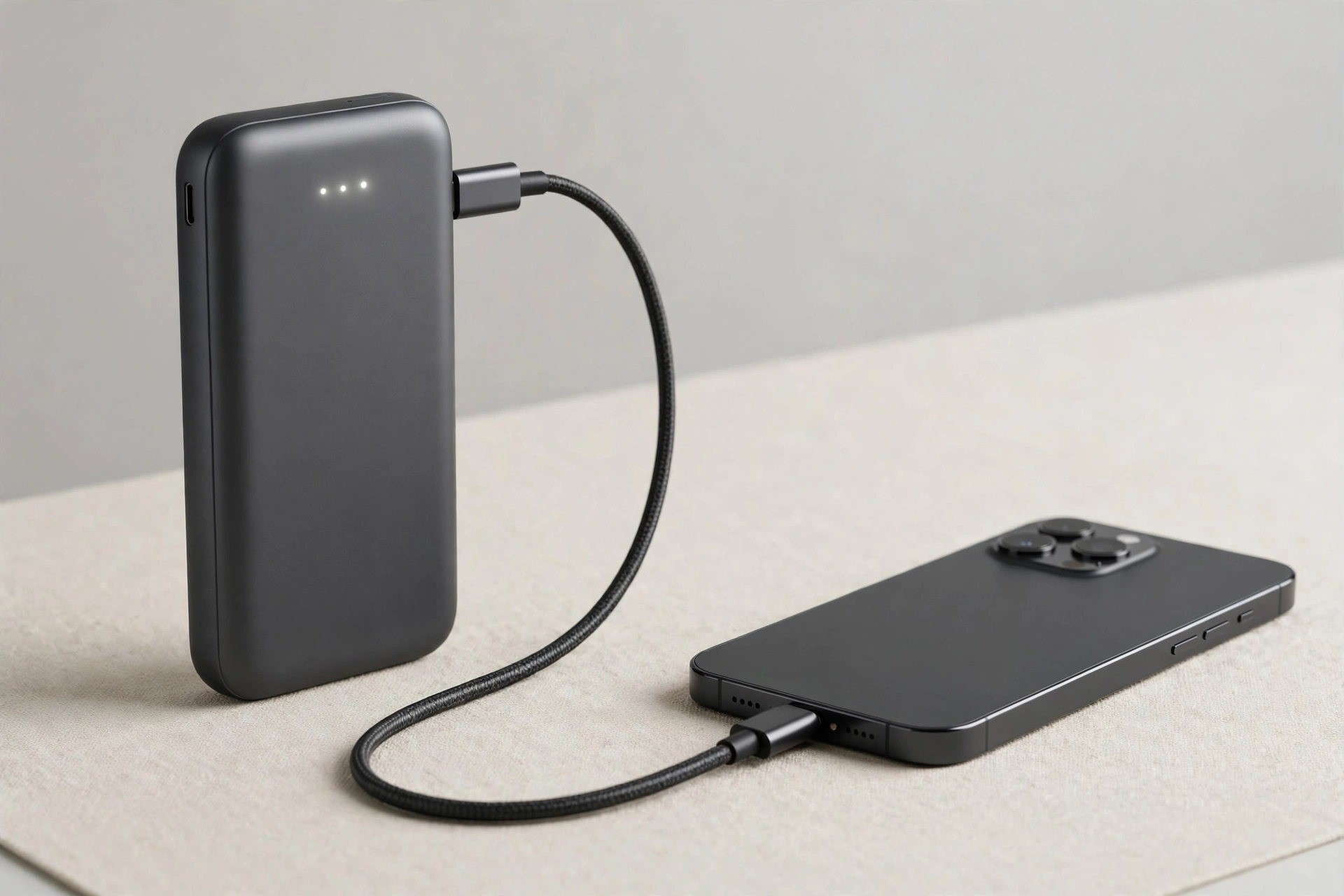
The short version: the best portable power bank for most people is a 10,000mAh model with at least 20W fast charging over USB-C. It is small enough to fit in a pocket or bag, powerful enough to recharge a phone two to three times, and affordable. But if you travel with a laptop, camp off-grid, or fly frequently, your ideal pick might look very different. Let us break it down.
What to Look for in a Portable Power Bank
Before comparing models, understand the five specs that actually matter.
1. Capacity (mAh)
Capacity is measured in milliamp-hours (mAh) and tells you how much energy the bank stores. Rough guide:
- 5,000mAh: About one full phone charge. Ultra-compact, great as a backup.
- 10,000mAh: Two to three phone charges. The sweet spot for daily carry.
- 20,000mAh: Four to six phone charges, or one to two laptop charges. Best for travel.
- 25,000mAh+: Multi-day trips and laptops. Note that most airlines cap batteries at 100Wh (about 27,000mAh), so check before you fly with a huge bank.
2. Charging Speed (Watts)
Wattage determines how fast your devices charge. A basic 10W bank will slowly top up a phone; a 20W–30W bank with USB-C Power Delivery (PD) can fast-charge modern iPhones and Android phones to 50% in about 30 minutes. For laptops, look for 45W–65W or more. Also check the bank’s own recharge speed — a 20,000mAh bank that takes 8 hours to refill is far less convenient than one that refills in 3.
3. Ports
Modern devices charge over USB-C, so prioritize banks with at least one USB-C port that supports both input and output. A second USB-A port is handy for older accessories like earbuds or a smartwatch cable. If you travel with a partner or family, two or three ports let you charge multiple devices at once.
4. Size and Weight
A 10,000mAh bank typically weighs around 200 grams — noticeable but pocketable. A 20,000mAh bank is closer to 350–450 grams and belongs in a bag. Be honest about how you will carry it; the best portable power bank is the one you actually bring with you.
5. Extra Features
Some banks include built-in cables (no more forgetting your cord), wireless charging pads, digital battery-percentage displays, or even MagSafe-style magnetic attachment for iPhones. These are nice bonuses, but do not let them distract from the core specs above.
For a brand-level overview of what is currently available, the Anker guide to the best power banks is a solid reference from one of the most established names in portable charging.
Best Portable Power Bank Picks by Use Case
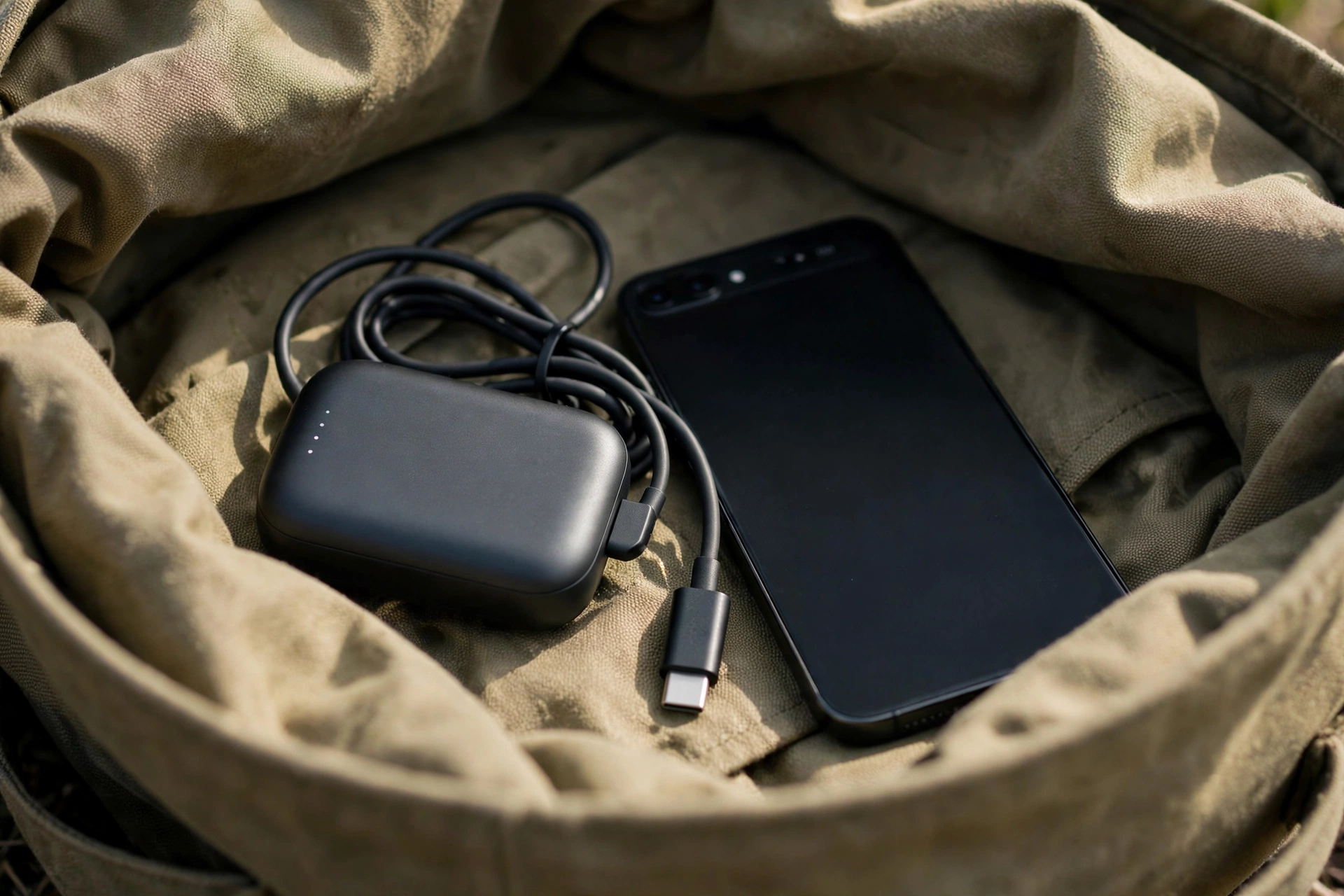
Rather than declaring one universal winner, here are the best choices for the most common situations.
Best Overall: 10,000mAh, 20W+ USB-C PD
This is the category to buy if you just want something reliable for everyday life. Look for a slim 10,000mAh bank with 22.5W or 30W output, a USB-C port, and a clear battery indicator. It will fast-charge any current phone, fit in a jacket pocket, and cost far less than flagship models. Charge it overnight once or twice a week and you will rarely think about battery anxiety again.
Best for Travel: 20,000mAh, 65W
Frequent flyers and road-trippers should step up to 20,000mAh with 65W output. That is enough to charge a MacBook Air or similar ultrabook while simultaneously topping up a phone. Make sure it supports pass-through charging (charging the bank while it charges your devices) — it turns one hotel outlet into a full charging station. Stay under 100Wh and you are fine for carry-on luggage on virtually every airline.
Best Ultra-Portable: 5,000mAh Mini
If you hate carrying extra weight, a lipstick-sized 5,000mAh bank with a built-in USB-C or Lightning connector is the answer. It gives you one emergency charge — enough to get through the evening — and disappears into any pocket or clutch. The trade-off is obvious: no multi-day capacity, and usually slower charging speeds.
Best for iPhone Users: Magnetic Wireless Bank
MagSafe-compatible magnetic power banks snap onto the back of recent iPhones and charge wirelessly at up to 15W. They double as a grip or stand in some designs. They are less efficient than wired charging (some energy is lost as heat), so a 5,000mAh magnetic bank delivers less usable charge than its wired equivalent — but the convenience is unmatched.
Best Budget Pick
You do not need to spend much for dependable charging. Reputable budget brands offer 10,000mAh banks with 20W+ PD charging at very reasonable prices. The main things you sacrifice versus premium models are faster self-recharge speeds and premium build materials. Stick to known brands with real safety certifications — cheap no-name banks are not worth the fire risk.
Power Bank Safety Tips
Lithium batteries are safe when treated properly, but a little care goes a long way:
- Buy certified products. Look for CE, UL, or equivalent safety marks from reputable brands.
- Do not leave them in hot cars. Heat degrades batteries and, in extreme cases, is a fire risk.
- Use quality cables. A frayed or counterfeit cable can cause overheating.
- Store at partial charge. If you will not use the bank for months, leave it around 50% charged.
- Replace swelling batteries. If a power bank ever puffs up, stop using it immediately and recycle it properly.
How to Make Your Power Bank Last Longer
A good power bank should serve you for two to four years. Maximize its lifespan with these habits:
- Avoid draining it to 0% regularly — partial discharges are gentler on the cells.
- Do not leave it plugged in at 100% for days on end.
- Charge it with a decent wall adapter, not a weak old 5W brick, so refills do not take forever.
- Keep firmware updated on smart banks that support it.
- Cycle it at least once every few months if it sits unused.
Portable Power Bank vs. Other Charging Gear
If you are kitting out your tech setup, it helps to see where a power bank fits alongside other gear. A wall charger is faster at home, a car charger covers road trips, and a portable power station handles camping or power outages — but only a power bank goes everywhere with you. For a gadget lover’s broader setup, check out our guide to the best robot vacuum for pet hair — because a smart home runs on more than just charged phones.
Frequently Asked Questions
How many mAh do I need to charge my phone twice?
Most modern phones have batteries around 4,000–5,000mAh. After conversion losses (about 30%), a 10,000mAh bank delivers roughly 6,500–7,000mAh of usable charge — enough for about one and a half to two full charges. For two guaranteed full charges, choose 15,000–20,000mAh.
Can I bring a portable power bank on a plane?
Yes, in carry-on luggage — never in checked bags. Most airlines allow batteries up to 100Wh (roughly 27,000mAh) without approval. Between 100Wh and 160Wh usually requires airline permission. Always check your specific airline’s policy before flying.
What does PD mean on a power bank?
PD stands for Power Delivery, a fast-charging standard over USB-C. A PD-rated bank negotiates higher wattage with your device, charging it much faster than the old 5W USB standard. For modern phones and laptops, PD support is one of the most important features to look for.
Why does my power bank charge slowly?
The usual culprits: a low-wattage wall adapter refilling the bank, an old USB-A cable instead of USB-C, or a device that does not support fast charging. Also check that you are using the bank’s fast-charge port — some banks have one fast port and one slow port.
How long do portable power banks last?
Expect 300–500 full charge cycles, which translates to roughly two to four years of regular use. Capacity gradually declines over time. If your bank suddenly holds noticeably less charge, it is reaching the end of its life.
The best portable power bank is not the biggest or the most expensive — it is the one that matches how you actually live. A commuter needs something pocketable, a traveler needs capacity and laptop-grade wattage, and an iPhone user might value magnetic convenience above all. Pick your use case, check the five specs above, stick with a reputable brand, and you will never stare at a red battery icon in panic again.