Best Budget Smartwatch in 2026 — Top Affordable Picks
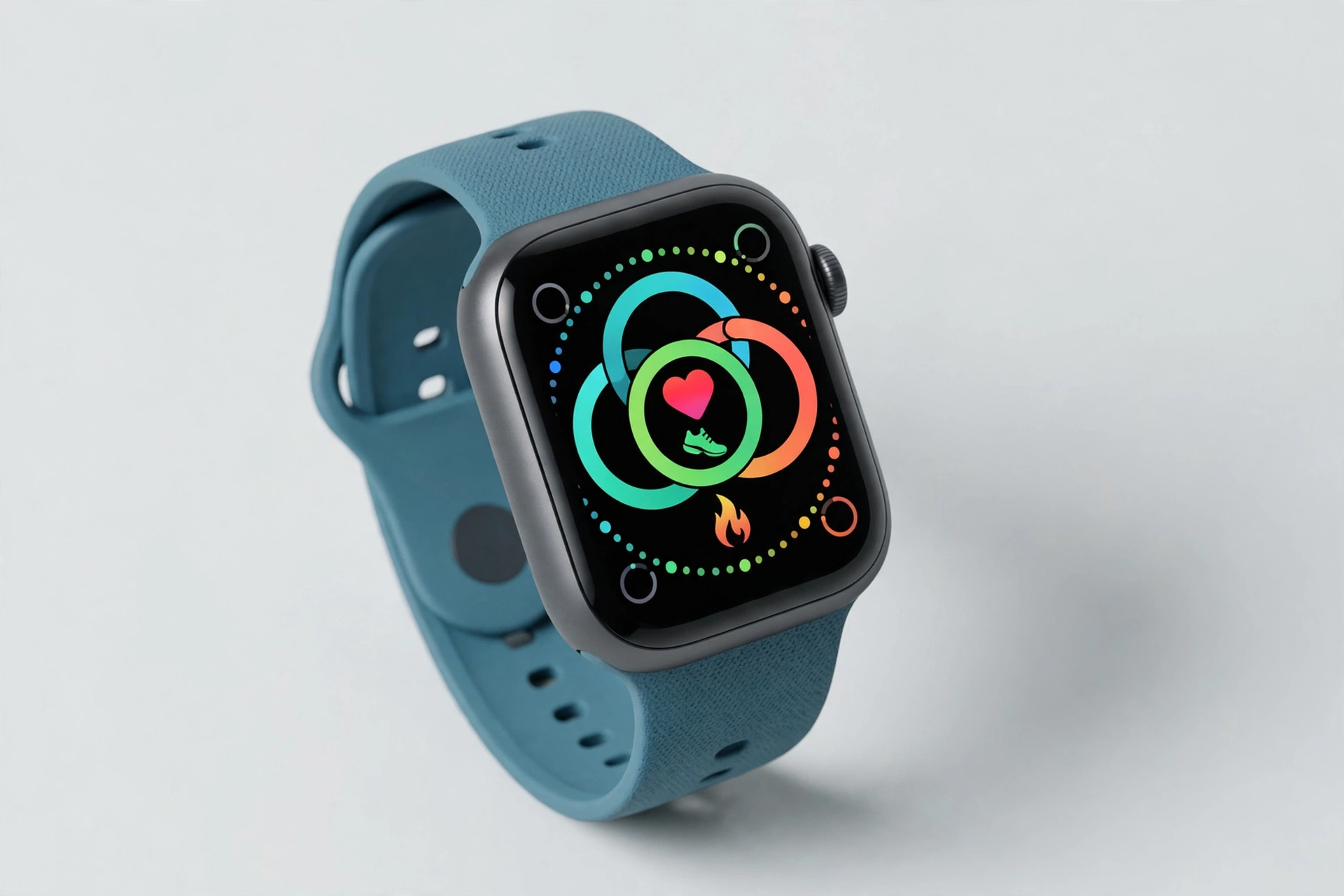
Finding the best budget smartwatch used to mean settling for a sluggish screen, day-one battery anxiety, and fitness tracking you couldn’t trust. That era is over. In 2026, you can spend under $200 and get an AMOLED display, multi-day battery life, accurate heart-rate and sleep tracking, built-in GPS on many models, and app ecosystems that genuinely compete with flagships costing three times as much.
This guide breaks down what actually matters in an affordable smartwatch, rounds up the strongest budget picks of 2026, and helps you avoid the cheap models that look good in photos but fall apart in real use.
What Makes a Great Budget Smartwatch?
Before comparing models, it helps to know which specs separate the genuine bargains from the false economy. These are the things worth caring about — and the things that are mostly marketing.
Display Quality Matters More Than You Think
You will look at your watch dozens of times a day, so the screen is the single most noticeable quality difference between a $60 watch and a $160 one. Look for an AMOLED display — the deep blacks and punchy colors make text readable in sunlight and give watch faces a premium look. A crisp resolution (around 390×450 pixels or better on a 1.4-inch screen) keeps everything sharp.
Always-on display mode is a nice extra, but on budget watches it can cut battery life significantly. Decide whether you prefer the convenience or the extra days of charge.
Battery Life Is the Real Budget Superpower
This is where affordable watches often beat expensive ones. While flagship smartwatches typically last one to two days, many budget models run for 7 to 14 days on a single charge. That is not a minor perk — it means continuous sleep tracking without nightly charging anxiety, and fewer dead-battery surprises on trips.
Check whether the quoted battery life is measured with typical use or heavy use. SpO2 monitoring, frequent GPS sessions, and always-on displays can cut the advertised figure in half.
Fitness and Health Tracking Accuracy
The core sensors to expect in 2026 at this price: heart-rate monitoring, blood-oxygen (SpO2) measurement, sleep tracking (including stages), and step counting. Higher-end budget picks add skin-temperature sensing and stress tracking.
No wrist sensor is a medical device, but the gap between good and bad trackers is real. Reviews and real-world testing matter more here than spec sheets — look for models praised for consistent heart-rate readings during workouts, since steady-state accuracy usually predicts overall sensor quality.
GPS: Built-In vs. Connected
Built-in GPS lets you leave your phone at home on runs and still get accurate route maps. Connected GPS (which borrows your phone’s location) is cheaper but useless if you run phone-free. If you’re a runner or cyclist, treat built-in GPS as close to essential.
App Ecosystem and Smart Features
At minimum, expect call and message notifications, music controls, weather, timers, and alarms. The better budget watches now add:
- Bluetooth calling with a built-in speaker and microphone
- Contactless payments (check compatibility with your bank and region)
- Voice assistants
- Third-party apps and customizable watch faces
- Find-my-phone and remote camera shutter
One important caveat: cheaper watches from lesser-known brands can have companion apps that are clunky, buggy, or aggressive with permissions. Sticking to established brands pays off in software quality.
The Best Budget Smartwatches of 2026
1. The All-Round Champion: AMOLED + Two-Week Battery
The strongest all-rounder in the budget class this year combines a bright AMOLED display, dual-band GPS, and roughly two weeks of battery life — a package that was flagship territory just a few years ago. Heart-rate and SpO2 tracking are reliable, sleep analysis includes detailed stage breakdowns, and there are over 150 workout modes.
Where it wins: the balance. There is no single glaring weakness, which is rare below $200. Where it loses: NFC payments are region-limited, and the speaker volume for calls is merely adequate rather than great.
2. The Fitness-First Pick
If workouts are your main reason for buying, the fitness-first budget champion is worth a close look. It trades some smart features for exceptional sensor accuracy and training tools: recovery-time estimates, training-load analysis, and race-pace predictions that genuinely help structured training.
Battery life stretches past two weeks in smartwatch mode, and the always-on altimeter and compass make it a solid hiking companion too. The display is slightly less punchy than our top pick, and third-party app support is thinner — but for pure training value, nothing else at this price comes close.
3. The Best Ultra-Budget Option (Under $70)
Not everyone wants to spend $150+. The ultra-budget pick proves you can go far cheaper and still get a usable watch: a decent TFT or basic AMOLED screen, 7-day battery, heart-rate and sleep tracking, and 100+ sport modes. Notifications and music controls work fine.
The trade-offs are real: no built-in GPS, a companion app that is functional rather than delightful, and build quality that feels the price. But as a first smartwatch or a simple fitness tracker with a bigger screen, it is remarkable value. Just buy from a brand with an established reputation — the no-name clones at this price are where quality falls off a cliff.
4. The Style Pick
Some people want a watch that looks like a watch. The style pick pairs a classic round design with a metal case, slim profile, and genuinely attractive watch faces. Underneath, you still get heart-rate and SpO2 monitoring, sleep tracking, and Bluetooth calling.
It is not the sportiest option — water resistance is fine for rain and handwashing but the workout analytics are basic — but for office wear and everyday health tracking, it nails the brief. Several color and strap options make it easy to match your taste.
5. The Ecosystem Choice for Android and iOS
If you want the smoothest phone integration on a budget, consider the lineup from Fitbit’s official smartwatch lineup, which pairs especially well with both Android and iPhone through a mature, well-designed companion app. Sleep tracking is a particular strength, with clear sleep scores and actionable insights rather than raw data dumps.
The trade-off: the deepest insights sit behind a subscription, and the hardware design is more fitness-band-plus than fashion statement. But for health tracking accuracy and app quality, this ecosystem remains one of the safest budget bets you can make.
How to Choose: A Quick Decision Framework
Still torn? Answer these three questions:
- Do you run or cycle without your phone? → You need built-in GPS. This eliminates the cheapest tier.
- Is sleep tracking important to you? → Prioritize multi-day battery life. Anything under 5 days will annoy you.
- Do you care how it looks? → Round metal designs cost a little more than square plastic ones, but the difference in daily satisfaction is real.
Match your answers to the picks above and you’ll land on the right watch in minutes.
What to Avoid in Budget Smartwatches
- No-name brands with fake reviews. If a watch has thousands of five-star reviews but no professional reviews anywhere, walk away.
- “Military grade” claims without an actual rating. Look for real certifications: 5ATM water resistance, IP68, or MIL-STD-810H.
- Watches that require a subscription for basic features. Sleep scores and workout history should not be paywalled.
- Tiny batteries marketed with big numbers. “30-day standby” means almost nothing; check typical-use figures instead.
- Outdated Bluetooth. Bluetooth 5.0 or newer matters for stable connections and call quality.
Setting Up Your New Smartwatch: 5 Quick Tips
- Update the firmware first. Day-one updates fix bugs and improve sensor accuracy.
- Wear it snugly during workouts — about one finger’s width above the wrist bone — and slightly looser the rest of the day.
- Calibrate GPS with a couple of outdoor walks before trusting run distances.
- Turn off always-on display if battery life disappoints you; it’s the biggest single drain.
- Customize notifications. Mirroring every app’s notifications will buzz your wrist into irrelevance within a week. Pick the five that matter.
The Bottom Line
The best budget smartwatch in 2026 is no longer a compromise purchase — it’s a smart one. Unless you need cellular connectivity, advanced ECG features, or a specific brand’s ecosystem, a well-chosen watch under $200 covers everything most people actually use: notifications, fitness tracking, sleep insights, and long battery life.
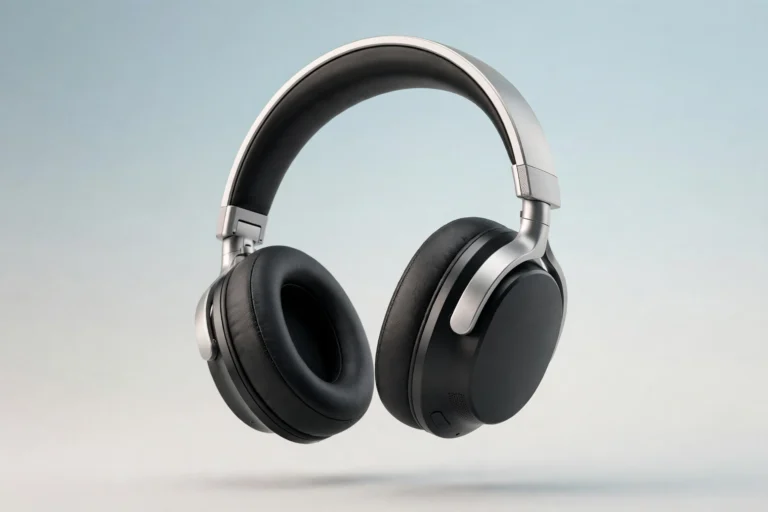
Spend where it counts (display, battery, sensor quality, brand reputation), skip what you won’t use, and pair your new watch with a great audio companion — our guide to the best wireless headphones is the perfect next read for your everyday carry setup.
Frequently Asked Questions
How much should I spend on a budget smartwatch?
The sweet spot is $100–$180. Below $70 you lose built-in GPS and display quality; above $200 you’re approaching mid-range flagships. Most buyers will be happiest in the middle of that range.
Are cheap smartwatches accurate for heart rate?
The good ones are surprisingly accurate for steady-state cardio like running and cycling. They struggle more with rapid heart-rate changes (like HIIT) and with loose fits. Established brands test far better than no-name models here.
Can a budget smartwatch work with both Android and iPhone?
Most can, but features vary. Notification replies, for example, often work better on Android. Always check the specific model’s iOS limitations before buying if you’re an iPhone user.
Do I need LTE or cellular on a smartwatch?
For most people, no. Cellular adds significant cost to both the watch and a monthly plan. Unless you regularly exercise without your phone and need to stay reachable, Bluetooth models are the better value.
How long do budget smartwatches typically last?
Expect 2–4 years of solid use. Batteries degrade, and software support eventually ends, but a quality budget watch from an established brand should serve you well through that window. Water damage and cracked screens — not electronics failure — are the usual killers, so a screen protector is a cheap investment.